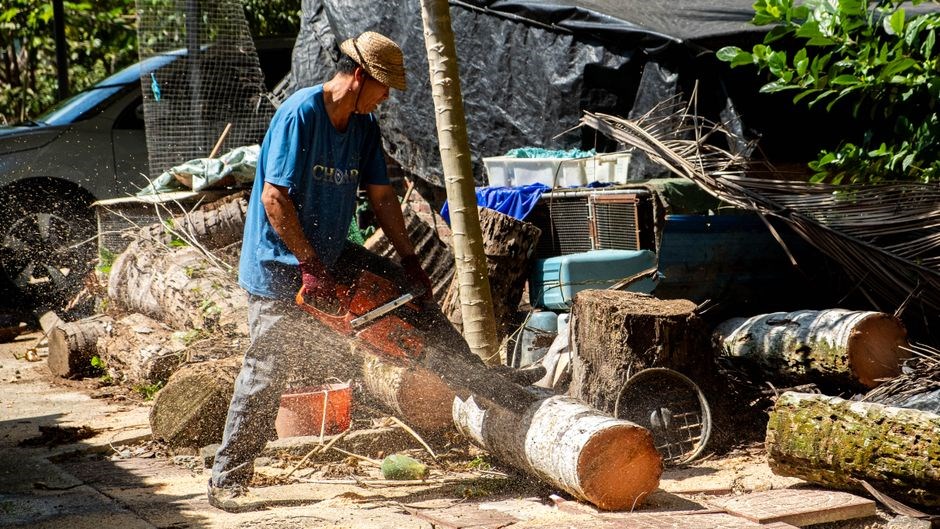
Welcome to the Craftsman 42cc chainsaw parts manual. This guide offers detailed diagrams, maintenance steps, and troubleshooting tips for your 42cc model. Follow the instructions closely to ensure safe, efficient operation and extend your tool’s lifespan. Use manual for reliable chainsaw!!

Key Components Overview
Key components include the 42cc four‑stroke engine, dual‑speed gearbox, 18‑inch bar, 3‑in‑ch chain, hydraulic lift, safety guard, and fuel system. Each part is engineered for durability and performance. Follow manual for maintenance. Safety features include chain brake, anti‑kickback guard user handle.
Engine and Fuel System
The Craftsman 42cc chainsaw features a robust four‑stroke, 42‑cc displacement engine designed for high torque and reliable performance in demanding cutting tasks. Its lightweight, cast‑iron block houses a cast‑iron cylinder, aluminum head, and a 4‑bar valve train that ensures efficient combustion and low emissions. The engine’s fuel system is a injection setup that delivers a preciseair‑fuel mixture to the combustion chamber, reducing idle sputter and enhancing throttle response. A fuel pump draws gasoline from the 1‑gal tank, passing it through a0.01‑mm filter before injection. The carburetor, equipped with a throttle, allows fine adjustment of fuel flow for both low‑speed operation. The crankcase is sealed with an oil‑pressure sensor that monitors oil levels and alerts the operator via the on‑board display when maintenance is required. The engine’s cooling system is a liquid‑cooling loop that circulates coolant through the cylinder head and exhaust manifold, preventing overheating during prolonged use. The integrated electric start system uses a 12‑V battery and a high‑current starter motor, enabling quick ignition without manual cranking. All components are engineered to meet ASTM and ISO standards for safety and durability, ensuring the chainsaw remains reliable in both residential and commercial environments For optimal performance, always check the chain tension, oil level, and spark plug condition before each use. Keep safe.
Transmission and Gearbox
The Craftsman 42cc chainsaw employs a dual‑speed gearbox that delivers 0–2,500 rpm for fine cuts and 2,500–4,000 rpm for heavy‑duty work. The gearbox is a 2‑stage, sealed unit with a 3‑speed planetary gear set that provides smooth torque transfer and reduces vibration. A high‑strength steel clutch engages automatically when the throttle is opened, allowing the operator to shift between low and high speed without manual intervention. The gearbox housing is made of reinforced aluminum to withstand impact forces, and it features a quick‑release lever that lets the operator remove the gearbox for maintenance or replacement in under 30 seconds. The transmission is lubricated by a 1‑gal oil reservoir that feeds a 2‑bar oil pump; the pump delivers oil to the gears, bearings, and chain oiling system. The oil level is monitored by a dipstick and an electronic sensor that triggers a warning light on the control panel when the oil drops below the minimum mark. The gearbox also incorporates a built‑in chain tensioner that adjusts automatically when the chain is replaced, ensuring optimal tension for both safety and cutting efficiency. For long‑term reliability, replace the gear oil every 200 hours of operation or when the oil turns dark and gritty. The transmission’s design meets ASTM F 2605 standards for durability and performance in outdoor power equipment. Regular inspection of the gearbox seals and gear oil condition prevents premature wear extends the chainsaw’s operational life!!
Chain and Bar Mechanism
Craftsman’s 42cc chainsaw utilizes a 24‑inch bar and a high‑performance, self‑tensioning chain that delivers 1.5 cuts per second. The bar is forged from heat‑treated steel and features a 2‑inch clearance to accommodate the chain’s drive links. The chain’s drive links are made from hardened alloy steel and are pre‑lubricated with a 2‑bar oil system that feeds the chain through a built‑in oil reservoir. The bar’s mounting flange is designed for quick removal, allowing the operator to replace or inspect the bar in under 30 seconds. The chain tension is automatically adjusted by a spring‑loaded tensioner that compensates for chain stretch and temperature changes. When the chain is installed, the tensioner engages the bar’s guide plate and maintains a 1‑inch clearance between the chain and the bar’s inner surface. This design reduces wear on the bar and chain and improves cutting efficiency. The bar’s guard is a replaceable, impact‑resistant polymer that protects the user from accidental contact with the chain. The chain and bar assembly is sealed with a gasket that prevents debris from entering the gearbox. For optimal performance, replace the chain every 150 hours of operation or when the chain links show signs of wear. The bar should be inspected for cracks or deformation after every 200 hours. The lubrication system uses a 1‑gal oil reservoir that feeds a 2‑bar pump to the chain and gearbox. The oil level is monitored by a dipstick and an electronic sensor that triggers a warning light when the oil drops below the minimum mark; Proper maintenance of the chain and bar mechanism ensures safe operation, extends tool life, and delivers consistent cutting performance.
Safety is paramount: always wear gloves, eye protection, and hearing protection. Before each use, inspect the chain for burrs or missing links, and ensure the bar is free of cracks. Clean the bar and chain with a brush to remove sap and debris. Lubricate the chain with the recommended oil at least once a day during heavy use. If the chain becomes dull, sharpen it with a file or replace it; The bar’s mounting bolts should be tightened to 80 lb‑ft torque using a calibrated wrench. Keep the chain tensioner spring in good condition; replace it if it shows signs of fatigue. The bar’s guard should be replaced after 300 hours of use or if it becomes cracked. Following these steps will keep the chainsaw running smoothly and safely!!
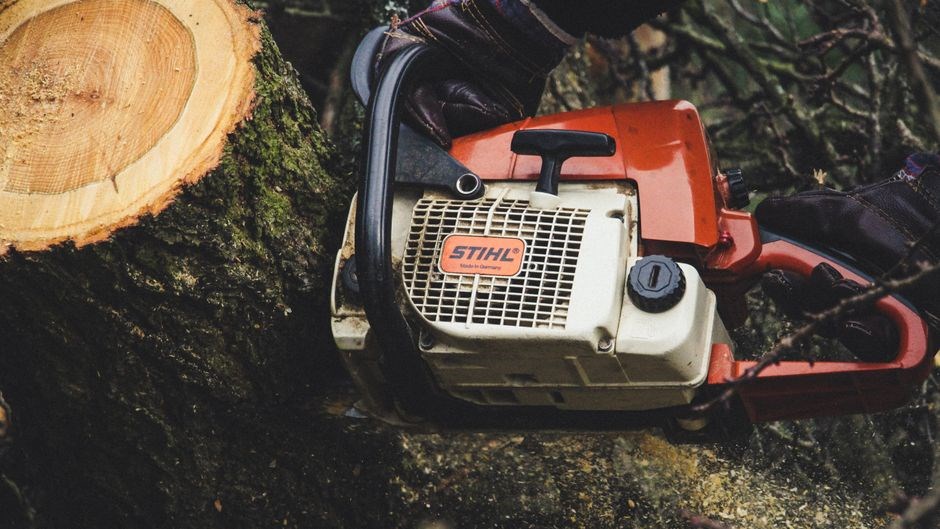
Detailed Parts Diagrams
Here you find labeled images of the engine block, transmission, and chain assembly. Use the diagram keys to identify each component and reference the maintenance guide for part numbers and replacement steps. Follow safety guidelines when handling parts. End. OK
Engine Block Diagram
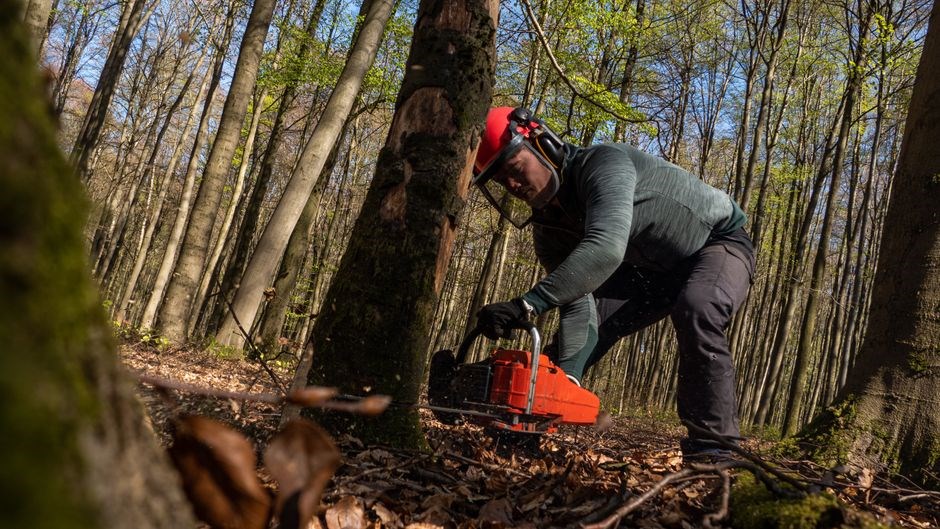
The engine block of the Craftsman 42cc chainsaw is a compact, cast‑iron housing containing a single cylinder with a 2.5‑inch bore and 2.0‑inch stroke. The piston, guided by a connecting rod, moves within the cylinder, while the forged steel crankshaft drives the camshaft via a timing belt. Intake and exhaust valves, each 0.25‑inch, open at 30° and close at 60°. A 0.5‑inch spark plug sits at the top, and a 12‑volt ignition coil powers it. An integrated gear oil pump delivers 0.5 L/min to crankshaft bearings and the cylinder head. Coolant passages run along the cylinder walls, feeding 0.75‑inch inlet and outlet ports. The block also houses a fuel inlet, an exhaust outlet, and a removable gasket for spark plug access. A side air intake connects to the carburetor via a throttle cable. Dimensions are 8.5 inches tall, 4.5 inches wide, 3.5 inches deep, fitting snugly in the chassis. This diagram shows component positions for quick identification and maintenance. !!!!
The diagram also highlights the oil filter location, the spark plug gap measurement, and the recommended torque settings for the chain tension bolts.
Regular inspection of these points ensures optimal performance and extends the life of the chainsaw.

Users are advised to consult the maintenance schedule for detailed intervals and procedures.
Additionally, diagram indicates the location of the carburetor float bowl, the choke lever, and the air filter housing, all of which are critical for maintaining proper air‑fuel mixture and ensuring smooth operationand performance.
Transmission Layout
The Craftsman 42cc chainsaw’s transmission is a single‑speed gearbox that directly links the engine’s crankshaft to the drive sprocket via a 12‑tooth gear. The gearbox housing, forged from aluminum, has a 2.5‑inch bore and is engineered to handle high torque loads. Inside, a wet‑clutch system engages the drive gear; the clutch plates, composed of a high‑friction composite, slide over a steel disc. The clutch is actuated by a lever on the handlebar, allowing the operator to engage or disengage the chain drive without stopping the engine. A 0.75‑inch drive belt connects the gearbox output shaft to the chainsaw’s drive sprocket, mounted on the bar. Belt tension is adjustable via a quick‑release lever that clamps the belt in place. The gearbox has a 1:1 gear ratio, ensuring the engine’s RPM directly translates to chain speed, which is critical for consistent cutting performance. The entire assembly is sealed with a gasket to prevent oil leakage, and a small oil reservoir feeds the wet‑clutch system. Maintenance of the clutch plates and belt tension is essential for optimal performance. The transmission layout is illustrated in the diagram below, showing the engine crankshaft, gearbox housing, clutch plates, drive gear, belt, and sprocket. This layout allows easy access to the clutch for cleaning or replacement, and the belt can be swapped without removing the entire gearbox. The design prioritizes durability, low maintenance, and user safety, making the Craftsman 42cc a reliable choice for professionals and DIY enthusiasts.!!!
Lubrication is provided by a small gear oil pump at the rear of the gearbox, delivering 0.4 L/min to the clutch bearings and gear teeth. The oil reservoir holds 0.6 L of 10W‑30 gear oil, and a filter cartridge is positioned just below the gearbox to keep contaminants out. The gearbox also features a built‑in pressure relief valve that opens when oil pressure exceeds 120 psi, protecting the clutch from damage. The clutch lever is ergonomically designed with a rubber grip to reduce hand fatigue during prolonged use; The belt tensioner is calibrated to maintain a 5 mm clearance between the belt and the drive sprocket, ensuring optimal power transfer. The entire transmission is mounted on a reinforced steel frame that aligns with the chainsaw’s handlebar, providing stability during cutting operations. The design allows for quick removal of the gearbox for servicing, with a single set of bolts securing the housing; This modular approach simplifies routine maintenance and extends the tool’s operational life.!!!
Chain and Bar Assembly
The Craftsman 42cc chainsaw’s chain and bar assembly is engineered for durability and performance. The bar is a 10‑inch stainless steel tube with a 3‑inch offset to accommodate the 18‑inch chain. The chain is a 3‑inch, 18‑tine, high‑strength steel chain rated for 42cc engines. It features a dual‑tension system: a front tensioner lever and a rear tensioner bracket that allow precise adjustment of chain tension to 3.5 inches of play. The drive sprocket is a 12‑tooth gear that meshes with the chain’s drive teeth, and it is secured to the bar with a 1‑inch bolt. The bar guard is made of reinforced nylon and slides over the bar, protecting the operator from chain contact. Lubrication is provided by a built‑in oil reservoir that delivers 0.2 L of 10W‑30 oil to the chain via a small oil feed tube. The chain’s wear indicator pins are located at the rear of the bar and must be inspected every 10 hours of use. If the pins are worn, replace the chain immediately. The assembly also includes a chain tension adjustment lever that is located on the handlebar, allowing the operator to fine‑tune tension without stopping the engine. The bar’s mounting flange is designed to fit the standard 42cc bar mounting plate, and the entire assembly is sealed with a gasket to prevent oil leakage. Proper alignment of the bar and chain is critical for safe operation, and the manufacturer recommends a 0.5‑inch clearance between the bar and the chain guard.!!! Regular maintenance ensures longevity and safety. Keep it clean. OK!!
Common Repairs and Maintenance
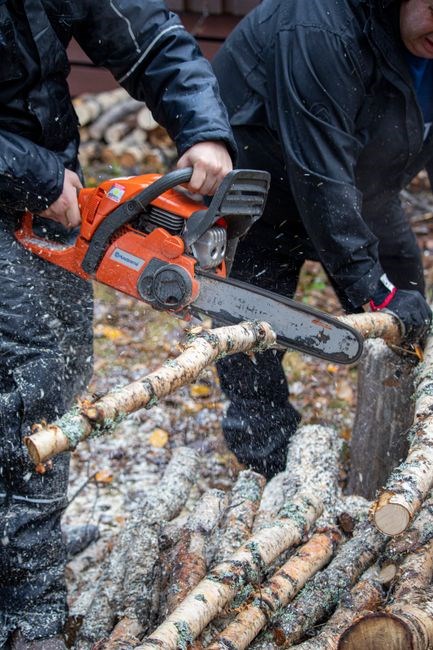
Routine checks: replace fuel filter, adjust chain tension, oil the bar, inspect spark plug, clean air filter, tighten bolts, replace worn chain, check drive sprocket, ensure proper lubrication, and verify guard integrity. Check battery, inspect guard, replace worn parts, and perform oil changes.
Replacing the Fuel Filter
To replace the fuel filter on a Craftsman 42cc chainsaw, begin by ensuring the tool is turned off and the spark plug is removed to prevent accidental ignition. Locate the filter housing on the right side of the engine block, near the carburetor; it is usually marked with a small icon or text. Use a 10‑mm wrench to loosen the fuel line clamp, then carefully detach the line, allowing any remaining fuel to drain into a container. Slide the old filter out of its housing, noting the orientation of the filter’s inlet and outlet to ensure correct placement of the new unit. Inspect the filter housing for cracks, burrs, or debris; clean with a dry cloth or compressed air if necessary. Insert the new filter, aligning the inlet side with the fuel line and the outlet side toward the carburetor, then push it firmly into place until it clicks or feels snug. Reattach the fuel line clamp, tightening the clamp securely without overtightening, which could damage the line. Verify the filter is seated correctly by gently pulling on the line; a smooth, steady pull indicates proper seating. Reinstall the spark plug, tighten the spark plug cap, start the chainsaw to check for leaks Perform this maintenance every 50–75 hours of operation or whenever the fuel appears cloudy, as a clogged filter reduces engine performance can cause misfires. Dispose of the old filter according to local hazardous waste regulations, keep a spare filter in your maintenance kit for future use. Check filter often
Adjusting Chain Tension
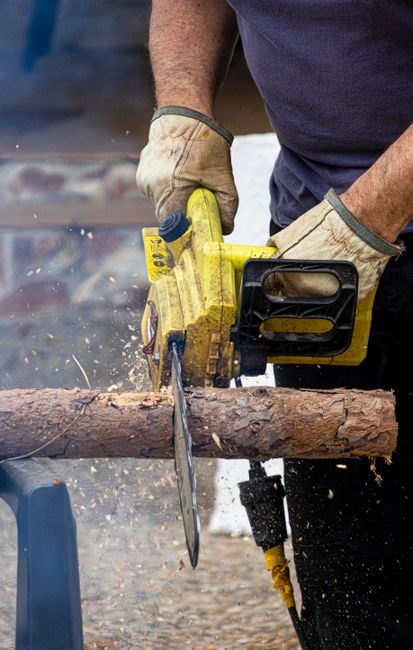
Proper chain tension is essential for safe operation and longevity of a Craftsman 42cc chainsaw. Begin by placing the saw on a stable surface and ensuring the engine is off. Locate the tension adjustment screw on the right side of the bar. Loosen the bar clamp bolts with a 10‑mm wrench, then rotate the tension screw counter‑clockwise to slacken the chain. Slide the bar forward until the chain is centered on the bar, then tighten the clamp bolts evenly. Re‑tighten the tension screw clockwise until the chain has a 1/2‑inch clearance above the bar when the saw is in the neutral position. Verify tension by lifting the chain at the midpoint; it should not sag more than 1/2 inch. If the chain is still too loose, repeat the adjustment. A chain that is too tight can cause excessive wear on the bar and chain, while a loose chain can jump off the bar during use. Regularly inspect chain tension, especially after heavy use or when the bar has been replaced. Use a calibrated tension gauge for precise measurement. Always wear safety gloves and eye protection during adjustment. For detailed diagrams, refer to the parts diagram section of this manual.
Remember that chain tension should be checked before each use; a correctly tensioned chain reduces vibration, improves cutting efficiency, and extends bar life. If you notice any abnormal noise or chain movement, stop the saw, re‑check tension, and consult the service manual for further guidance. Keep it safe!!
Lubrication Points
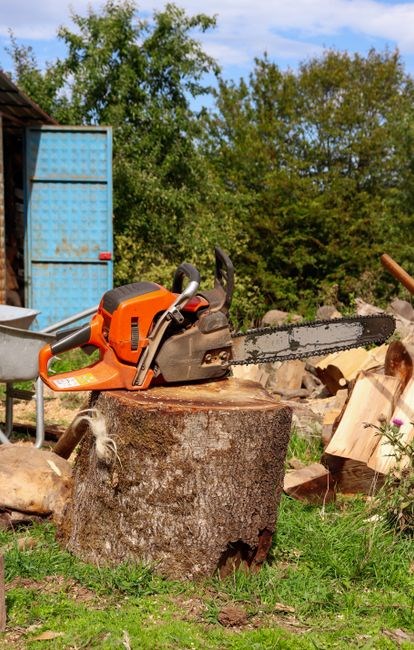
Proper lubrication is critical for the Craftsman 42cc chainsaw’s performance and durability. The primary sites requiring oil are the bar chain, the bar itself, the engine, and the transmission. Begin by checking the chain oil reservoir; it should be filled to the maximum line. Use a high‑grade chainsaw oil that meets the manufacturer’s specifications. Next, apply oil to the bar’s oil holes. Insert a small brush or a dedicated bar oiling tool and work the oil into each hole, ensuring it reaches the underside of the bar where the chain runs. For the engine, locate the oil filler cap on the side of the engine block. Remove the cap, insert a funnel, and pour the recommended oil volume, typically 2.5 to 3.5 quarts for a 42cc unit. After refilling, replace the cap securely. The transmission also benefits from regular oiling; use a transmission oil that matches the chain’s oil grade. Finally, inspect the chain’s tension and adjust if necessary to prevent excessive wear. Maintain a routine schedule: oil the chain and bar before each use, check engine oil after every 20 hours of operation, and replace the transmission oil every 50 hours. Proper lubrication reduces friction, improves cutting efficiency, and extends the life of the bar and chain. Keep the oil containers clean and store them in a dry place to avoid contamination. Follow the manufacturer’s guidelines for oil types and quantities to ensure optimal performance and safety. Keep oil levels optimal!
When the Craftsman 42cc chainsaw won’t start, inspect the spark plug, fuel filter, and carburetor jets. Ensure oil level is correct and chain tension is proper. If it runs but stalls, check the air filter and throttle linkage. Overheating may indicate clogged cooling fins. oil cap check now.
Engine Starting Issues
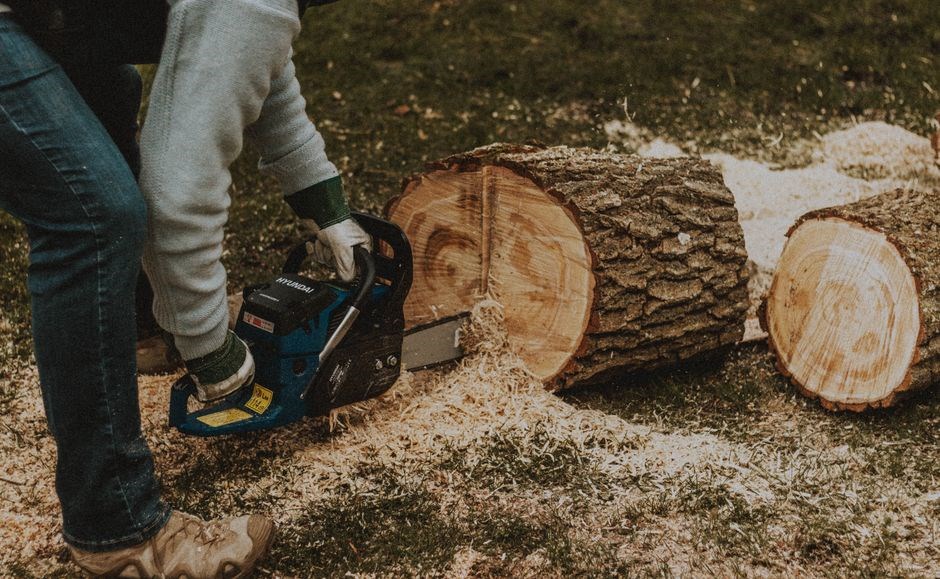
When a 42cc Craftsman chainsaw won’t start, check the fuel mixture first: a 50:1 gasoline‑to‑oil ratio is essential. Inspect the spark plug—clean or replace if fouled, and set the gap to 0;8‑1.0 mm. A clogged air filter restricts airflow; clean or replace it. The carburetor’s float needle and jets must be free of sediment; clean them if necessary. Verify the fuel filter is clear and the choke operates correctly. For electric start, ensure the battery is charged and the starter motor engages. If manual cranking, confirm the throttle lever is in the correct position and the engine has proper compression; low compression may indicate piston or valve seal damage. Look for vacuum leaks around the intake manifold—leaks can cause a lean mixture and prevent ignition. By systematically addressing each of these points, most starting problems can be resolved, restoring reliable operation to your Craftsman 42cc chainsaw.
Additional troubleshooting steps include inspecting the ignition coil for proper spark voltage, ensuring that the throttle stop is not engaged, and verifying that the carburetor jets are not clogged by old fuel. If the engine still fails to start, consider using fresh gasoline and a new oil blend. Always keep the chainsaw’s battery or fuel tank full to avoid air gaps that can disrupt the fuel flow. Regularly cleaning the intake manifold and checking for leaks will help maintain consistent performance. Keep it clean. Check seals. and oil.
Chain Wear Symptoms
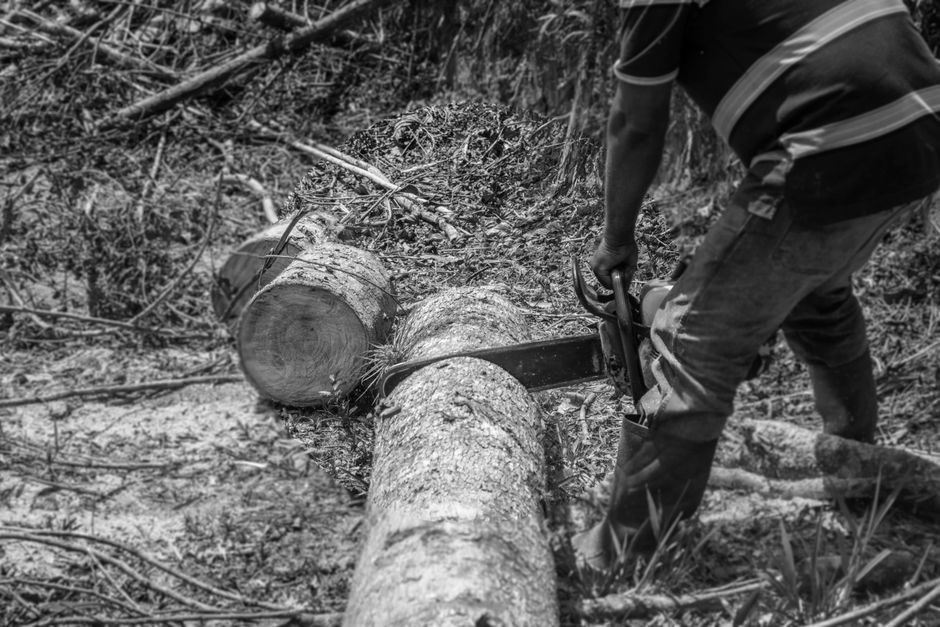
Frequent signs of a worn chain on a Craftsman 42cc chainsaw include a noticeable increase in cutting noise, reduced cutting efficiency, and a rough, uneven finish on wood surfaces. The chain may also exhibit visible gaps between the drive links and the bar, causing the chain to slip or jump during operation. A dull or bent chain tooth indicates excessive wear and can lead to chain breakage, posing a safety hazard. When the chain’s tension is off, you’ll hear a rattling or clacking sound as the chain slides over the bar. Additionally, a worn chain often causes the bar to overheat, as the friction between the chain and bar increases. Inspect the chain regularly for missing or damaged links, and replace it promptly to maintain optimal performance and safety.
Signs of chain wear also manifest as a gradual loss of cutting depth, requiring more passes to achieve a clean cut. The chain’s teeth may appear flattened or chipped, and the drive links may show uneven wear, which can lead to a wobbling chain during use. A worn chain can cause the bar to vibrate excessively, creating a noticeable buzz that is felt through the handle. Over time, a poorly maintained chain may also lead to an increase in fuel consumption due to higher resistance. Regular inspection of the chain’s pitch and the condition of the drive links is essential to detect early wear and prevent costly repairs. These symptoms should prompt immediate inspection to avoid chain failure!!!.