
Executor Checklist: A Comprehensive Guide (Updated December 17, 2025)
Navigating estate administration requires diligence! This guide assists executors in fulfilling duties – locating wills, managing assets, and distributing inheritances efficiently.
Essential tasks include arranging funerals, filing probate documents, notifying beneficiaries, and ultimately, closing the estate with final tax returns.
I. Initial Steps After Death
Immediate actions are crucial following a loss. The first step involves securing the deceased’s property and obtaining multiple copies of the death certificate – essential for various administrative processes. Locating the will is paramount; search thoroughly for the original document and any codicils.
Arranging the funeral, respecting the deceased’s wishes outlined in the will, is a key responsibility. Simultaneously, begin compiling a list of family members and beneficiaries to notify them promptly; Contacting financial institutions early facilitates asset identification and potential account freezes. Remember, compassionate guidance from a probate attorney can be invaluable during this emotionally challenging period.
A comprehensive executor checklist PDF will help organize these initial, vital steps, ensuring nothing is overlooked during this sensitive time.

Arranging the Funeral
Honoring the deceased’s wishes is key. Communicate with the funeral home, order death certificates, and organize a memorial service, as detailed in the will.
Funeral Arrangements & Death Certificates
Initiating funeral plans requires sensitivity and attention to detail. As executor, you’ll likely coordinate with funeral homes to fulfill the deceased’s expressed wishes, or family preferences if no specific instructions exist within the will. This includes selecting burial or cremation options, arranging a memorial service, and preparing an obituary.
Crucially, obtaining certified copies of the death certificate is paramount. These documents are essential for numerous administrative tasks, including notifying financial institutions, claiming life insurance benefits, and transferring assets. Order multiple copies, as various entities will require proof of death throughout the probate process. Keep meticulous records of all arrangements and associated costs for estate accounting purposes.
Locating the Will
Finding the original will is the first critical step! Search the deceased’s home, safe deposit box, and attorney’s office for the document and codicils.
Finding the Original Will & Codicils
The initial focus is securing the original will and any associated codicils. Begin by thoroughly searching the deceased’s residence, paying close attention to safes, desks, and frequently used filing cabinets. Don’t overlook a safe deposit box, as wills are often stored there for safekeeping.
Contacting the deceased’s attorney is crucial; they may have the original document on file. Reach out to family members or close friends who might be aware of the will’s location. Remember, a copy isn’t legally binding – the original is required for probate.
Document your search efforts meticulously, noting dates, locations checked, and individuals contacted. This record will be valuable when filing for probate and demonstrating due diligence to the court.
II. Legal & Administrative Tasks
Embarking on the legal and administrative phase demands precision. The first step is formally filing for probate with the appropriate court, initiating the legal process of validating the will and authorizing estate administration. This requires submitting a comprehensive set of documents, including the original will, death certificate, and a formal application.
Crucially, you must provide a Notice of Application for Probate, informing all potential heirs and beneficiaries of the proceedings. An Oath of Executor must also be sworn, affirming your commitment to faithfully execute your duties.
Simultaneously, notify relevant parties – family, beneficiaries, and financial institutions – of the death and your role as executor, initiating essential communication channels.

Filing for Probate
Probate initiates legal validation of the will. Submit required documents – original will, death certificate, and application – to the court for official approval.
Required Probate Documents
Gathering the correct paperwork is crucial for a smooth probate process. Typically, you’ll need the original will and any codicils, alongside the deceased’s original death certificate. A Notice of Application for Probate formally informs the court of your intent to administer the estate.
Furthermore, an Oath of Executor, sworn before a notary, affirms your commitment to faithfully execute your duties. Depending on the jurisdiction, additional documents like an inventory of assets and a list of creditors may also be required. Ensure all documents are originals, where specified, and properly completed to avoid delays. Careful preparation minimizes complications and expedites the court’s approval.
Notice of Application for Probate
The Notice of Application for Probate is a formal legal document initiating the court-supervised estate administration. It publicly announces your intention to seek probate and invites interested parties – heirs, beneficiaries, and creditors – to raise any objections.
This notice typically includes details about the deceased, the estate’s assets, and your contact information as the executor. Filing this notice is a critical step, triggering a period for potential challenges. Proper completion and timely submission are essential to adhere to court procedures and ensure a transparent probate process. It’s a key component of fulfilling your fiduciary duty.
Oath of Executor
The Oath of Executor is a solemn promise, sworn before the probate court, affirming your commitment to faithfully and impartially administer the deceased’s estate. This legally binding declaration signifies your acceptance of the responsibilities and duties outlined by law and the will.
Typically, the oath requires you to accurately inventory assets, pay legitimate debts and taxes, and distribute remaining property according to the will’s instructions – or state law if there’s no will. Providing an original, signed oath is often a prerequisite for gaining legal authority to act on behalf of the estate.

Notifying Relevant Parties
Prompt communication is key! Inform family, beneficiaries, and financial institutions about the death, ensuring transparency and facilitating estate administration processes.
Contacting Family & Beneficiaries
Initial outreach is crucial for maintaining trust and transparency. As executor, promptly notify all immediate family members and listed beneficiaries of the passing and your appointed role.
This notification should be delivered with sensitivity and include details regarding the funeral arrangements, if known, and the anticipated timeline for the probate process. Providing regular updates throughout the estate settlement minimizes anxiety and potential disputes.
Maintain a detailed record of all communications, including dates, methods (phone, email, certified mail), and a summary of the conversation. Consider a group email or letter for beneficiaries, ensuring confidentiality where appropriate. Direct, personal contact with close family members is often preferred.
Notifying Financial Institutions
Prompt notification of financial institutions is vital for asset control and preventing complications. Inform banks, credit unions, investment firms, and insurance companies of the death and your role as executor.
Request account statements and information regarding ownership, beneficiaries, and any outstanding debts. Provide a certified copy of the death certificate and your Letters Testamentary (court appointment) as proof of authority.
Be prepared to complete necessary forms and potentially freeze accounts to secure assets. Document all interactions, including dates, contact names, and confirmation numbers. This meticulous approach safeguards the estate’s financial interests and facilitates accurate inventorying.

III. Estate Inventory & Management
A comprehensive estate inventory is foundational to responsible administration. This involves meticulously identifying, cataloging, and valuing all assets – real estate, bank accounts, investments, personal property, and more.
Obtain appraisals for real estate and valuable personal items to establish fair market value. Gather statements for financial accounts as of the date of death. Document all debts and liabilities, including mortgages, loans, and outstanding bills.
Accurate inventorying ensures transparency, facilitates proper tax reporting, and provides a clear picture of the estate’s financial standing for beneficiaries and the court.
Identifying and Valuing Assets
Locate and assess all estate property! This includes real estate appraisals, financial account inventories, and determining the fair market value of possessions.
Real Estate Appraisal
Determining property value is crucial. As executor, obtaining a professional real estate appraisal is often necessary, especially if the property will be sold during probate. This ensures a fair market value is established for estate purposes and accurate distribution to beneficiaries.
Consider engaging a licensed appraiser experienced in probate valuations. Document the appraisal process thoroughly, including the appraiser’s qualifications and the methodology used. The appraisal report will be a key document submitted to the probate court, supporting the estate’s financial accounting. Accurate valuation minimizes disputes and facilitates a smoother probate process.
Remember to factor in any outstanding mortgages or liens against the property when calculating its net value within the estate.
Financial Account Inventory
A comprehensive financial inventory is paramount. Executors must meticulously identify and list all financial accounts held by the deceased, including checking, savings, brokerage, and retirement accounts. Gather statements for each account as of the date of death to establish the account balances.
Document account numbers, financial institution names, and contact information. This detailed inventory forms the foundation of the estate’s financial accounting. Locate any safe deposit box keys and document their contents. Remember to search for any online accounts or digital assets that may have financial value.
Accuracy is key to avoid potential legal issues and ensure proper distribution to beneficiaries.

Managing Estate Finances
Prudent financial management is crucial! Open an estate bank account, pay legitimate debts and taxes, and maintain detailed records of all transactions.
Opening an Estate Bank Account
Establishing a dedicated estate bank account is a foundational step. This segregated account ensures transparent handling of estate funds, distinct from the executor’s personal finances. You’ll typically need to present the will (if probated), your appointment as executor, and potentially a Taxpayer Identification Number (TIN) for the estate.
Banks often require specific documentation, so contacting them beforehand is advisable. All estate income and expenses should flow through this account. Meticulous record-keeping is paramount, documenting every deposit and disbursement. This account facilitates paying debts, taxes, and ultimately, distributing assets to beneficiaries according to the will’s instructions, maintaining a clear audit trail throughout the probate process.
Paying Estate Debts & Taxes
Prioritizing debt and tax obligations is crucial for responsible estate administration. Begin by identifying all outstanding debts – credit cards, loans, mortgages, and medical bills. Creditors will typically submit claims to the estate, requiring verification and potential negotiation. Simultaneously, determine all applicable taxes, including income tax for the deceased’s final return and potential estate taxes.
Utilize estate funds from the dedicated bank account to satisfy these obligations. Maintain detailed records of all payments, including dates, amounts, and creditor information. Properly addressing debts and taxes prevents legal complications and ensures a smooth distribution of assets to beneficiaries, demonstrating diligent fiduciary duty.
Organizing Estate Liabilities
Meticulously identify and validate all debts! Gather creditor claims, review financial records, and prepare for potential negotiations to ensure accurate estate settlement.
Identifying Outstanding Debts
A thorough debt assessment is crucial for responsible estate management. Begin by meticulously reviewing the deceased’s financial records – bank statements, credit card bills, and loan documents. Scrutinize for any unpaid invoices, medical bills, or outstanding taxes.
Don’t overlook potential liabilities like mortgages, auto loans, or personal lines of credit. Public records searches can reveal judgments or liens against the estate.
Proactive communication is key. Contacting creditors directly allows for verification of amounts owed and understanding of payment expectations. Maintaining detailed records of all identified debts and creditor interactions is paramount for transparency and legal compliance throughout the probate process.
Handling Creditor Claims
Properly addressing creditor claims is vital during probate. Upon receiving a claim, carefully review its validity and the supporting documentation. Ensure the debt was legitimately incurred by the deceased and isn’t already accounted for.
Follow legal procedures meticulously. Most jurisdictions have specific timelines for filing claims and require formal notification to the executor.
If a claim is deemed valid, prioritize payment according to the estate’s solvency and legal hierarchy. Disputed claims may necessitate legal counsel. Maintaining detailed records of all claims, approvals, and payments is essential for a transparent and legally sound estate settlement.

IV. Probate Process & Distribution
The probate process involves court oversight and adherence to strict timelines. Expect court hearings to validate the will and monitor estate administration. Meeting deadlines for filings and accountings is crucial to avoid complications.
Distribution of assets must precisely follow the will’s instructions. This includes identifying beneficiaries and their designated shares. Prepare detailed accountings documenting all estate transactions, income, and expenses.
Transparency and accuracy are paramount. Obtain receipts for all disbursements and maintain clear records for potential scrutiny. Final accountings require court approval before the estate can be officially closed and assets fully distributed.
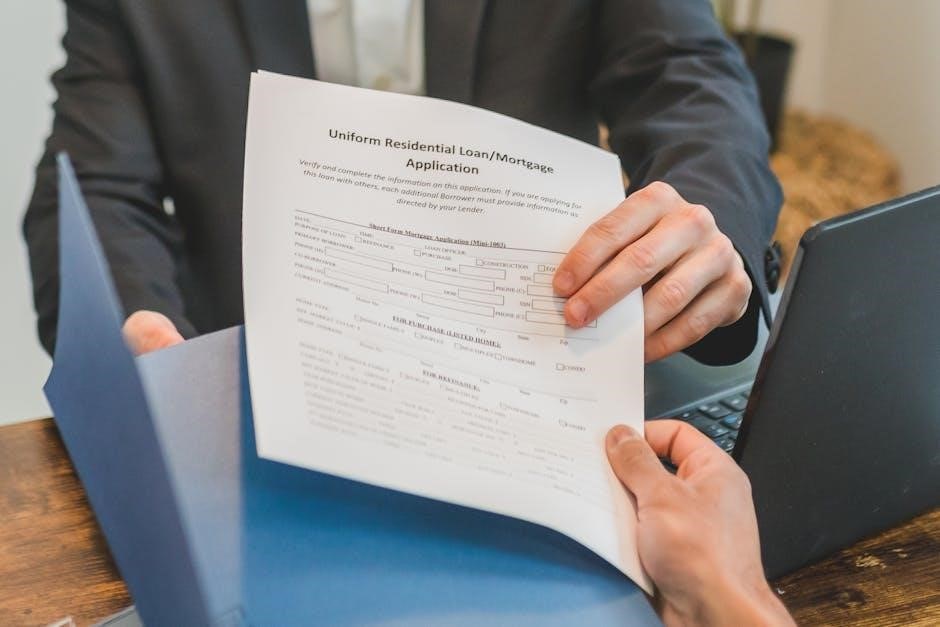
Understanding the Probate Timeline
Probate duration varies! Court hearings and required filings dictate the pace, potentially spanning months or years depending on estate complexity and local court schedules.
Court Hearings & Deadlines
Navigating probate court involves strict adherence to schedules. Initial hearings confirm executor appointment and validate the will’s authenticity, requiring filed documents like the oath of executor.
Deadlines are crucial! Notice of application for probate must be timely submitted, alongside the original will and any codicils, ensuring legal compliance.
Further hearings address asset valuation and creditor claims. Final accounting reviews estate finances before asset distribution, demanding meticulous record-keeping.
Missing deadlines can cause delays or legal repercussions. Consulting a probate attorney ensures adherence to court procedures and protects the estate’s interests throughout the process.
Distributing Assets to Beneficiaries
Carefully follow will instructions for asset distribution. Prepare final accountings detailing all transactions, ensuring transparency and legal compliance for each beneficiary.
Following Will Instructions
Executing the will’s directives is paramount. As executor, your legal obligation centers on meticulously adhering to the deceased’s expressed wishes as documented within the will itself. This necessitates a thorough understanding of each clause pertaining to asset distribution, specific bequests, and any conditional provisions.
Accuracy is key; double-check beneficiary designations and the precise nature of each inheritance. Discrepancies can lead to legal challenges, so diligent record-keeping is vital. Ensure all distributions align perfectly with the will’s stipulations, avoiding any personal interpretation or deviation.
Transparency builds trust; maintain open communication with beneficiaries regarding the process and timelines. Document every step taken to demonstrate faithful execution of the will’s terms.
Preparing Final Accountings
Final accountings represent a comprehensive financial report detailing the estate’s administration. This crucial document summarizes all income received, expenses paid, and asset distributions made during the probate process. Accuracy and transparency are paramount, as these accountings are subject to court review and potential beneficiary scrutiny.
Detailed records are essential; meticulously document every transaction, including dates, amounts, and supporting receipts. Include a clear inventory of assets at the beginning and end of the administration.
Seek professional assistance if needed – a probate attorney or accountant can ensure compliance with legal requirements and minimize potential errors. Properly prepared accountings facilitate a smooth estate closure.

Post-Probate Checklist
Finalize estate matters! Close accounts, file final tax returns, and distribute remaining assets according to the will, ensuring complete estate settlement.
Closing the Estate Account
Finalizing the estate’s financial standing is crucial. This involves meticulously documenting all income and expenses throughout the probate process. Ensure all outstanding bills, taxes, and creditor claims have been satisfied before proceeding.
Gather all bank statements, receipts, and invoices to support the final accounting. Prepare a comprehensive report detailing the estate’s financial activity for court review.
Once approved, formally close the estate bank account, distributing any remaining funds to the designated beneficiaries as outlined in the will. Retain copies of all closing documents for your records, providing a clear audit trail of the estate’s financial management.
Final Tax Returns
Completing the deceased’s final tax obligations is a critical executor duty. This includes filing both a final individual income tax return (Form 1040) for the year of death and potentially an estate income tax return (Form 1041) if the estate generates income.
Accurately report all income received by the estate, including interest, dividends, and capital gains. Deductible expenses, such as funeral costs and estate administration fees, should also be claimed.
Consult with a tax professional to ensure compliance with all applicable tax laws and regulations. Proper filing avoids penalties and ensures a smooth estate closure.

Seeking Legal Guidance
Probate can be complex! Consulting a probate attorney offers invaluable support, ensuring legal compliance and navigating challenges effectively throughout the estate process.
Consulting with a Probate Attorney
Engaging legal counsel is often prudent, especially when facing intricate estate matters. A probate attorney provides expert guidance on navigating the legal complexities inherent in estate administration, ensuring adherence to all applicable laws and court procedures. They can assist with interpreting the will, filing necessary probate documents, and representing the estate in court hearings.
Furthermore, an attorney can offer strategic advice regarding asset valuation, debt management, and potential tax implications. They can also help resolve disputes among beneficiaries and defend against creditor claims. Seeking legal assistance proactively can minimize potential errors, streamline the probate process, and ultimately protect the executor from personal liability. Don’t hesitate to schedule a consultation to discuss your specific needs.