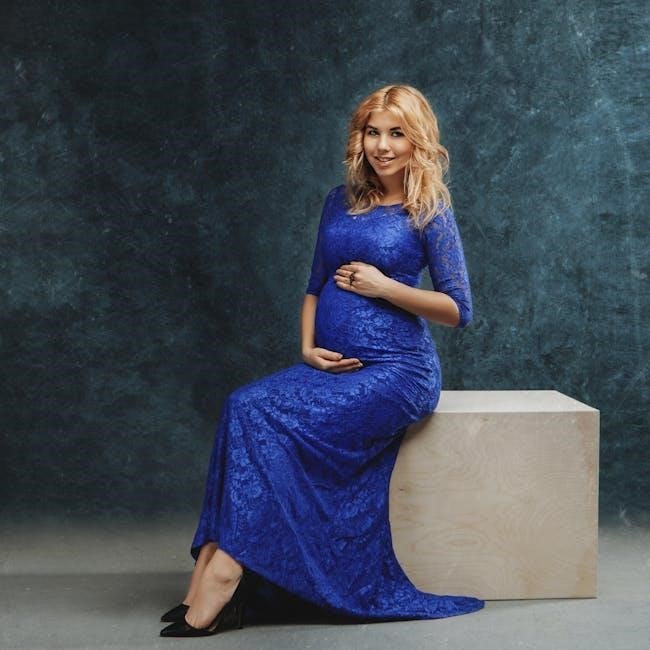
Dress Length Guide for Height: A Comprehensive Overview (Updated 04/07/2026)
Navigating dress lengths can be tricky! Finding the perfect fit hinges on balancing proportion and style with your unique height. This guide details ideal lengths – mini, knee, midi, and maxi –
to ensure a flattering silhouette, considering measurements and occasion;
Understanding the Importance of Dress Length & Height
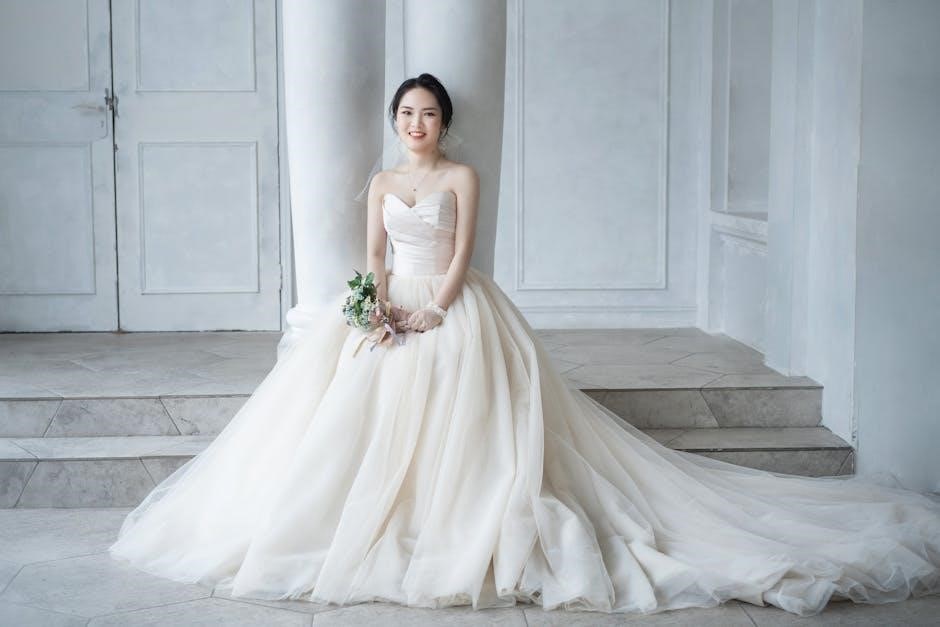
The relationship between dress length and height is paramount for achieving a balanced and aesthetically pleasing look. A dress that fits beautifully on one person might appear awkward on another simply due to height differences. Incorrect lengths can disrupt the body’s natural proportions, potentially making someone appear shorter or disproportionately long-legged.
Choosing the right dress length isn’t merely about fashion; it’s about creating harmony; A well-chosen length can elongate the legs, define the waist, and enhance overall body shape. Conversely, an ill-fitting length can have the opposite effect, creating an unbalanced or unflattering silhouette.
Furthermore, dress length impacts the perceived formality of an outfit. Mini dresses often convey a more playful vibe, while maxi dresses lean towards elegance and sophistication. Understanding how length interacts with occasion and personal style is crucial. Finding a length that flatters your height ensures confidence and a polished appearance, making it worthwhile to invest time in finding the perfect fit. It prevents a dress from feeling “off” and ensures a comfortable, stylish experience.
Standard Dress Length Terminology
Navigating the world of dress lengths requires understanding common terminology. These terms define where a dress falls on the leg, influencing its overall style and suitability for different heights. Here’s a breakdown of the most frequently encountered dress length classifications:
Mini dresses typically fall 3-4 inches above the knee, offering a youthful and playful aesthetic. Knee-length dresses, as the name suggests, end right at the knee, providing a classic and versatile option. Midi dresses fall between the knee and ankle – usually 2-3 inches below the knee – offering a sophisticated and balanced look.
Tea-length dresses are slightly longer than midi dresses, typically falling mid-calf. Maxi dresses reach the ankles, creating a flowing and elegant silhouette. Finally, floor-length or gown-length dresses extend to the floor, often reserved for formal occasions.
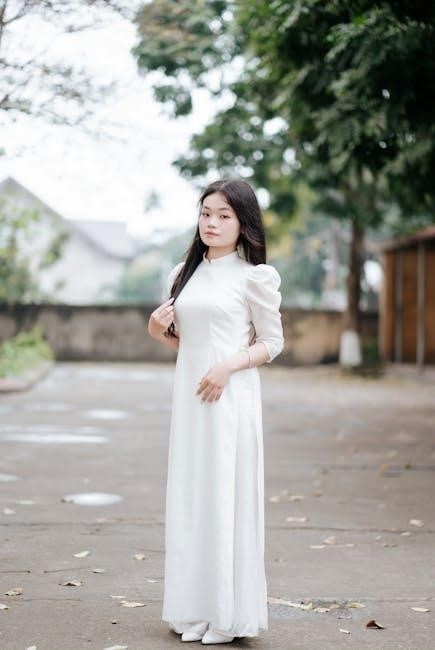
Accurate measurement is key; dress length is generally measured from the high point of the shoulder to the hemline. These classifications provide a common language for discussing and selecting dresses, ensuring a better understanding of fit and style.
Mini Dress Lengths & Height Recommendations
Mini dresses, ending 3-4 inches above the knee, are a bold and playful choice. However, achieving a flattering look depends heavily on height and body proportion. Generally, individuals under 5’4” should opt for mini dresses with a slightly longer length or pair them with elongating footwear like heels to avoid appearing disproportionate.
For those between 5’4” and 5’8”, a classic mini length works beautifully, showcasing legs without being overly revealing. Consider A-line or fit-and-flare styles for balance. Taller frames (5’8” and above) can confidently embrace shorter mini lengths, experimenting with various silhouettes and fabrics.
Proportion is crucial. If you have longer legs, a shorter mini dress can be incredibly flattering. Conversely, if your legs are shorter, a slightly longer mini or pairing it with opaque tights can create a more balanced appearance. Remember to consider the occasion; minis are best suited for casual or semi-formal events.
Knee-Length Dress Lengths & Height Recommendations
Knee-length dresses, hitting at or just below the knee, are a versatile and universally flattering option. This classic length works well for various body types and occasions, offering a balance between sophistication and comfort. For individuals under 5’4”, a knee-length dress can sometimes visually shorten the legs. Opting for a style with a higher waistline or pairing it with heels can help elongate the silhouette.
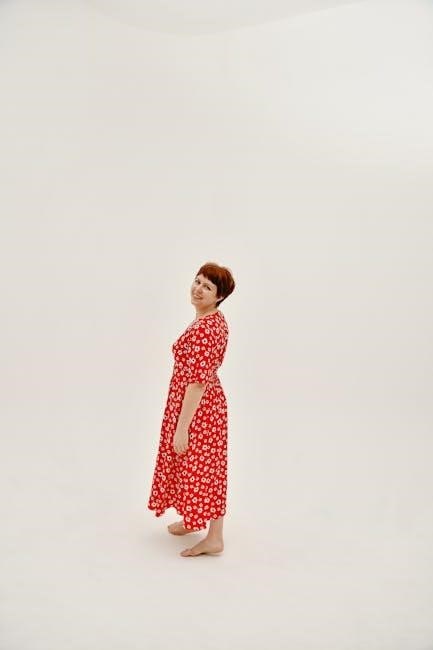
Those between 5’4” and 5’8” find knee-length dresses particularly flattering, as the hemline naturally hits at a proportionate point on the leg. A-line, sheath, or wrap styles all work beautifully. Taller frames (5’8” and above) can confidently wear knee-length dresses without appearing shortened, exploring bolder patterns and silhouettes.
Consider the dress’s shape. A fit-and-flare knee-length dress accentuates the waist, while a straight sheath dress offers a more streamlined look. Shoe choice also matters; heels add height, while flats create a more casual vibe. Knee-length dresses are suitable for work, dates, and semi-formal gatherings.
Midi Dress Lengths & Height Recommendations
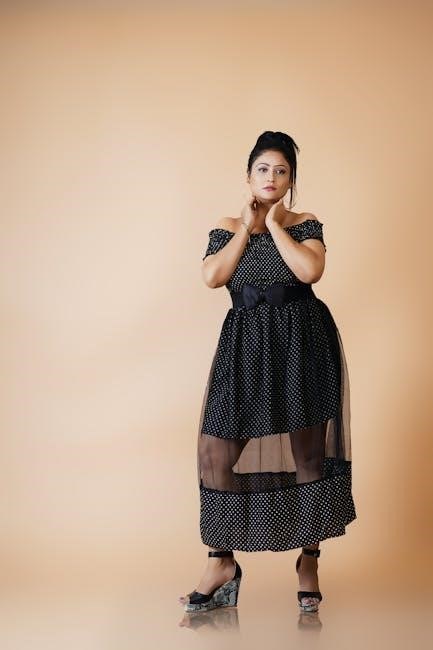
Midi dresses, falling between the knee and ankle, are a stylish and on-trend choice, but require careful consideration of height. This length can be tricky to pull off if not proportioned correctly. For those under 5’4”, a midi dress can sometimes overwhelm the frame, making legs appear shorter. Pairing it with pointed-toe heels is crucial to create the illusion of length, and a defined waistline is beneficial.
Individuals between 5’4” and 5’8” generally find midi dresses very flattering. The hemline typically hits at the most flattering part of the calf, creating a balanced silhouette. Styles like pleated midis, wrap dresses, or those with a side slit work exceptionally well. Taller frames (5’8” and above) can effortlessly wear midi dresses, experimenting with various fabrics and styles.
Pay attention to the dress’s volume. A fuller midi skirt may require higher heels, while a more streamlined silhouette can be paired with flats or sandals. Midi dresses are versatile, suitable for work, brunch, or evening events.
Tea-Length Dress Lengths & Height Recommendations
Tea-length dresses, hitting mid-calf, evoke a vintage charm and require thoughtful consideration regarding height. This length, popular for semi-formal occasions, can be particularly challenging to style for certain body types. For individuals under 5’4”, a tea-length dress can sometimes shorten the legs, creating a less balanced appearance. Opting for a dress with a higher waistline and pairing it with heels is essential to elongate the silhouette.
Those between 5’4” and 5’8” often find tea-length dresses incredibly flattering, as the hemline typically falls at a visually appealing point on the calf. A-line or fit-and-flare styles work particularly well, accentuating the waist and creating a balanced proportion. Taller frames (5’8” and above) can confidently embrace tea-length dresses, experimenting with bolder prints and fuller skirts.
Consider the shoe choice carefully. Heels are generally recommended to enhance the leg line, but elegant flats can also work with the right style. Tea-length dresses are perfect for garden parties, weddings, or any occasion calling for a touch of classic elegance.
Maxi Dress Lengths & Height Recommendations
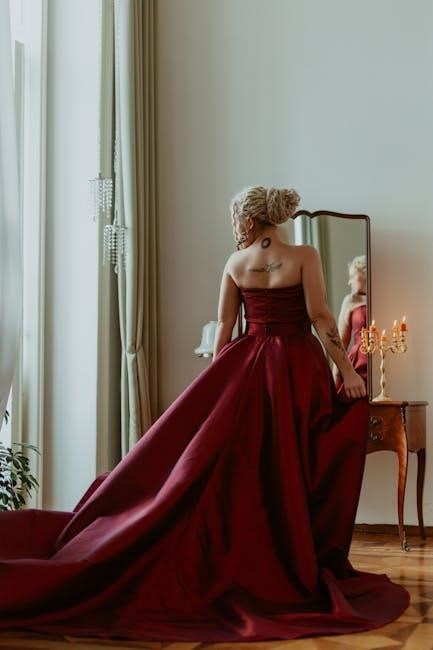
Maxi dresses, flowing to the ankles, offer versatility and comfort, but achieving the right fit depends heavily on height. A common concern is avoiding a look that overwhelms the frame or creates unwanted bunching. For those under 5’4”, a maxi dress requires careful tailoring or strategic styling. Opt for a dress with a defined waist and consider wearing wedges or heels to add height and prevent dragging.
Individuals between 5’4” and 5’8” generally find maxi dresses exceptionally flattering. This height range allows for a variety of styles, from fitted silhouettes to flowing A-lines. Pairing a maxi dress with sandals or espadrilles creates a relaxed, bohemian vibe, while heels elevate the look for more formal occasions.
Taller frames (5’8” and above) can confidently embrace the drama of a full-length maxi dress. Bold prints, flowing fabrics, and even slight slits can enhance the overall aesthetic. Accurate measurement is key – ensure the dress length complements your height and shoe choice for a polished, proportional look.
Floor-Length/Gown Lengths & Height Recommendations
Floor-length gowns, reserved for formal events, demand precise length considerations to avoid tripping hazards and ensure a sophisticated appearance. Unlike casual maxi dresses, gowns typically require professional alterations for a perfect fit. For individuals under 5’4”, a gown may need significant hemming, potentially altering the design’s intended flow. Petite frames benefit from streamlined silhouettes and higher heels to elongate the legs.
Those between 5’4” and 5’8” have greater flexibility with gown lengths. A standard gown length usually falls gracefully to the floor with a moderate heel. Consider the gown’s style – a mermaid or trumpet silhouette may require a slightly different hemline than an A-line or empire waist.
Taller frames (5’8” and above) can carry off dramatic gown lengths with ease. A slight train can add elegance, but ensure it doesn’t become cumbersome. Measuring from shoulder to hemline is crucial, accounting for shoe height and any desired train length. Gown sizes often correlate with height, as indicated in standard charts, aiding in initial selection.
How to Accurately Measure Dress Length
Precise measurements are paramount when determining the ideal dress length. Avoid guesswork by following a consistent method. You’ll need a flexible measuring tape and ideally, a helper. Stand tall and maintain good posture throughout the process. Measure dress length from the top of the shoulder (the highest point) straight down to where you envision the hemline falling. This is your shoulder-to-hemline measurement.
Ensure the measuring tape is taut but not constricting. Avoid angling the tape; it should follow a vertical line. For accurate results, wear the shoes you intend to pair with the dress during measurement. This accounts for heel height, significantly impacting the overall length.
Record your shoulder-to-hemline measurement and compare it to standard dress length charts. Remember that these charts provide guidelines; personal preference and body proportions play a crucial role. Repeat the measurement a few times to confirm consistency. A slight discrepancy can significantly alter the final fit, potentially requiring alterations.
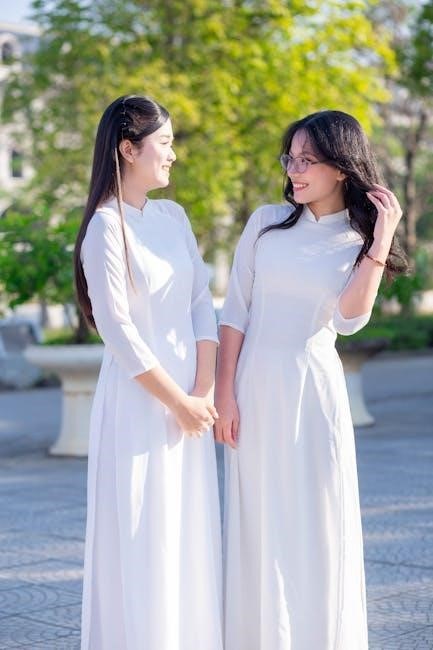
Measuring from Shoulder to Hemline
Accurately measuring from shoulder to hemline is the cornerstone of finding a flattering dress length. Begin at the highest point of your shoulder – where a bra strap would typically sit. This is your starting point. Secure one end of a flexible measuring tape firmly at this location.
Extend the measuring tape straight down, maintaining a vertical line. Avoid any curves or angles. The tape should glide smoothly along your body’s natural contours. Determine your desired hemline – whether it’s mini, knee-length, midi, or maxi. Position the other end of the measuring tape at this point.
Read the measurement where the tape intersects the desired hemline. Record this number carefully. For the most precise result, have a friend assist you to ensure the tape remains straight and the measurement is accurate. Remember to wear the shoes you plan to wear with the dress during this process, as heel height impacts the overall length.
Dress Length Adjustments for Different Body Proportions
Beyond height, body proportions significantly influence the most flattering dress length. Individuals with longer torsos and shorter legs may benefit from slightly shorter dress lengths to visually balance their silhouette. Conversely, those with shorter torsos and longer legs can often pull off longer lengths without appearing disproportionate.
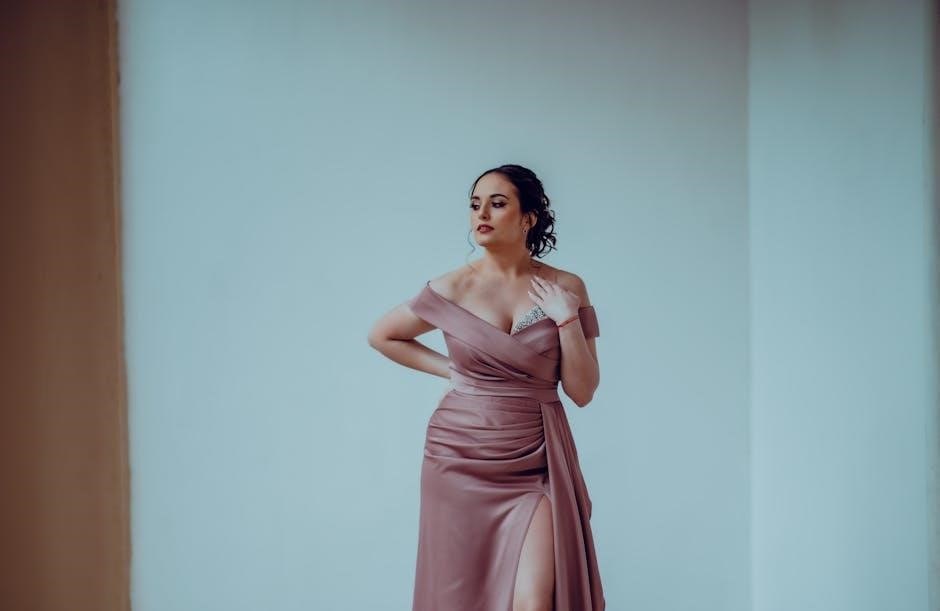
If you have an hourglass figure, almost any dress length can work, but emphasizing your waist is key. A-line or wrap dresses are excellent choices. For pear-shaped bodies, a dress that hits just below the knee or a midi length can balance wider hips. Apple-shaped figures often look best in empire waist dresses or those with a defined waistline, regardless of length.
Don’t be afraid to experiment! Hemming is a relatively inexpensive alteration that can dramatically improve the fit and overall look of a dress. Consider your personal style and comfort level when making adjustments. A well-fitted dress will always enhance your confidence and appearance.
Considering Shoe Height with Dress Length
A crucial, often overlooked aspect of dress length is factoring in your shoe height. The same dress can appear drastically different depending on whether you’re wearing flats, heels, or boots. Always measure dress length with the shoes you intend to wear with it, or at least shoes of a similar height.
For example, a midi dress that hits at a flattering point with flats might become too short when paired with high heels. Conversely, a maxi dress might drag on the ground when worn with heels if it’s the correct length with flats. It’s wise to err on the side of slightly longer, as shortening a dress is easier than lengthening it.
When trying on dresses, bring a pair of shoes that represent the heel height you typically wear. This will give you a more accurate idea of the final look. Remember that platform shoes also add to your overall height and should be considered during the fitting process. Careful consideration ensures a polished and proportionate ensemble.
Dress Lengths for Petite Frames (Under 5’4″)
Petite frames benefit from strategic dress lengths that elongate the legs and create a balanced silhouette. Mini dresses are generally flattering, but avoid styles that are too short, as they can overwhelm a smaller frame. Knee-length dresses should hit just at or slightly above the knee to maximize leg length. A-line shapes are particularly advantageous.
Midi dresses can work, but choose styles that are fitted through the waist and fall gracefully, avoiding excessive volume. Tea-length dresses are often best avoided, as they can visually cut the legs shorter. Maxi dresses should be carefully considered; a floor-skimming length is preferable to one that pools excessively.
Proportion is key. Petite individuals should prioritize dresses that create the illusion of height. Vertical details, such as seams or prints, can also be helpful. Tailoring is your friend – a well-fitted dress will always look more flattering than one that’s off the rack.
Dress Lengths for Average Heights (5’4″ ౼ 5’8″)
Individuals within the 5’4″ to 5’8″ height range enjoy considerable versatility in dress length choices. This height allows for experimentation with most styles, but mindful consideration of proportion remains crucial. Mini dresses are easily pulled off, offering a youthful and playful look. Knee-length dresses are a classic choice, hitting at a universally flattering point on the leg.
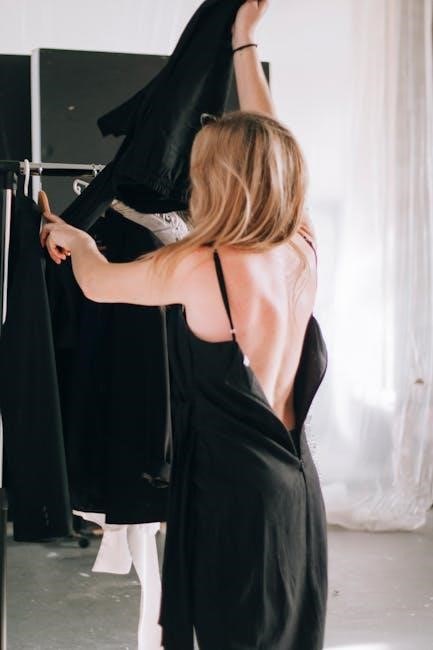
Midi dresses are exceptionally on-trend and work beautifully, especially with heels or wedges to add height. Tea-length dresses can be stunning for semi-formal occasions, creating a vintage-inspired aesthetic. Maxi dresses are also a great option, providing a flowing and elegant silhouette.
For average heights, the focus should be on finding a dress that complements your body shape. Consider waist definition and overall balance. Don’t be afraid to try different lengths and styles to discover what makes you feel most confident and comfortable. Accurate measurement is key to a perfect fit!
Dress Lengths for Taller Frames (5’8″ and Above)
For those blessed with height (5’8″ and above), a world of dress lengths opens up! Maxi dresses truly shine, creating a long, elegant line without appearing overwhelming. Floor-length gowns are naturally graceful and sophisticated, perfectly suited for formal events. Midi lengths can also work exceptionally well, but ensure the length doesn’t cut off at an unflattering point on the calf – slightly longer midis are ideal;
Knee-length dresses require a bit more consideration; avoid styles that feel too short, as they can appear disproportionate. Mini dresses can be worn, but balance the look with more coverage elsewhere, such as long sleeves or a higher neckline.
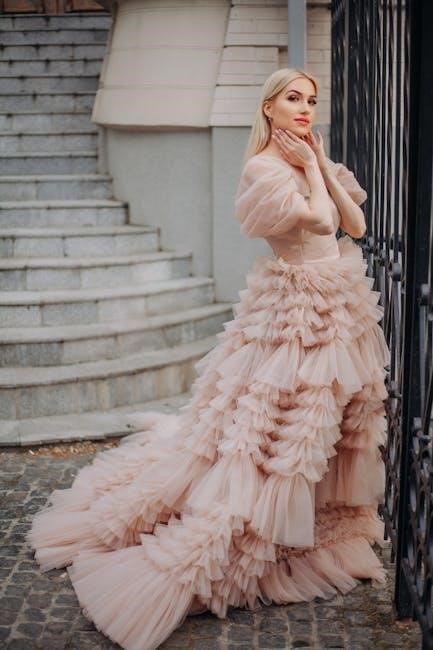
Taller individuals can confidently experiment with bolder silhouettes and statement dresses. Don’t shy away from dramatic lengths or intricate designs. Remember to always measure from the shoulder to hemline to ensure a flattering and well-proportioned fit, and consider shoe height when determining the final length.