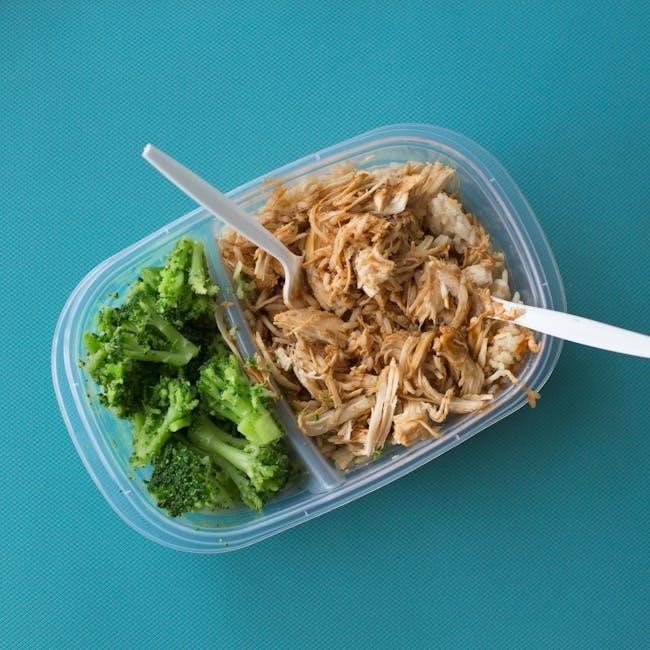
Carb cycling strategically alternates carbohydrate intake with activity levels, offering a flexible approach to nutrition.
Our 12-week plan, available as a printable PDF, simplifies this process, providing clear guidelines and meal ideas.
This method allows you to enjoy carbohydrates’ benefits without the drawbacks of consistently high-carb diets, promoting both performance and fat loss.
What is Carb Cycling?
Carb cycling is a dietary approach that involves strategically varying your carbohydrate intake on a daily or weekly basis. Unlike consistently low-carb diets, or those with steady carbohydrate levels, carb cycling aligns your carb consumption with your activity levels and fitness goals. This means incorporating days of higher carbohydrate intake, typically on days with intense workouts, to fuel performance and recovery.
Conversely, lower carbohydrate days are implemented to promote fat loss and improve insulin sensitivity. A 12-week carb cycling meal plan PDF provides a structured framework for implementing this strategy, dividing your week into high-carb, moderate-carb, and low-carb days. This systematic rotation helps prevent metabolic adaptation, where your body adjusts to a consistent intake and plateaus. The downloadable plan offers a practical way to experience the benefits of carbohydrates without the negative consequences often associated with high-carb diets, making it a sustainable and effective approach to nutrition.
Benefits of a 12-Week Carb Cycling Plan
A well-structured 12-week carb cycling plan, conveniently available as a printable PDF, offers numerous advantages beyond simple weight management. By strategically manipulating carbohydrate intake, you can optimize both performance and body composition. The plan helps prevent metabolic slowdown, a common issue with prolonged restrictive diets, by introducing periods of higher carbohydrate consumption.
This approach supports intense workouts, enhances recovery, and improves insulin sensitivity, crucial for overall health. Furthermore, carb cycling can help curb cravings and promote a more sustainable dietary pattern. The PDF provides clear guidelines, simplifying the process and ensuring you receive the benefits of carbohydrates without the typical drawbacks. It’s a flexible and effective strategy for those seeking a balanced and adaptable nutrition plan, leading to peak performance and long-term results.
Who Can Benefit from Carb Cycling?
The printable 12-week carb cycling meal plan PDF isn’t a one-size-fits-all solution, but it’s remarkably versatile. Serious athletes seeking to optimize performance and recovery will find it particularly beneficial, as it allows for fueling intense training sessions with strategic carbohydrate intake. Individuals aiming for weight loss, especially those who struggle with restrictive diets, can also thrive on this approach, as it minimizes metabolic adaptation and cravings.
However, carb cycling isn’t limited to these groups. Anyone looking to improve insulin sensitivity, enhance energy levels, or simply adopt a more flexible and sustainable eating pattern can benefit. The plan’s adaptability makes it suitable for various activity levels and dietary preferences. It’s a powerful tool for anyone wanting to unlock optimal nutrition and achieve their health and fitness goals.

Understanding the Phases of Carb Cycling
Carb cycling revolves around alternating high, moderate, and low-carb days, strategically aligned with activity.
Our 12-week PDF plan details these phases, maximizing efficiency and supporting your individual needs for optimal results.
High-Carb Days: Fueling Performance
High-carb days within our 12-week carb cycling plan are strategically designed to coincide with your most intense training sessions. These days prioritize replenishing glycogen stores, maximizing energy levels, and supporting optimal athletic performance. The printable PDF provides specific carbohydrate targets, typically focusing on complex carbohydrates like sweet potatoes, brown rice, and quinoa.
On these days, carbohydrate intake is significantly increased, allowing you to push harder and recover faster. This isn’t about unrestricted eating; it’s about timing carbohydrate consumption to fuel activity. The meal plan offers examples of balanced meals incorporating these carbohydrates alongside lean protein and healthy fats. Remember, the goal is to utilize the carbohydrates for energy, not storage. Careful monitoring and adherence to the PDF guidelines are key to unlocking the benefits of these high-carb periods.
These days are crucial for those engaging in strenuous exercise, ensuring adequate fuel for peak performance and minimizing muscle breakdown.
Moderate-Carb Days: Maintaining Energy
Moderate-carb days in our 12-week carb cycling plan serve as a bridge between high-intensity fueling and fat-loss promotion. These days, detailed in the printable PDF, focus on sustaining energy levels during moderate activity or rest days. Carbohydrate intake is reduced compared to high-carb days, but remains sufficient to prevent fatigue and support recovery.
The meal plan emphasizes a balance of complex carbohydrates – think fruits, vegetables, and whole grains – alongside adequate protein and healthy fats. This approach helps stabilize blood sugar levels and prevents energy crashes. These days aren’t about restriction, but rather about finding a sustainable carbohydrate intake that supports daily function without hindering progress.
The PDF provides guidance on portion sizes and food choices to ensure you stay within the moderate-carb range. This phase is vital for maintaining momentum and preventing the metabolic slowdown that can occur with prolonged low-carb dieting.
Low-Carb Days: Promoting Fat Loss
Low-carb days, a cornerstone of our 12-week carb cycling plan – detailed in the printable PDF – are strategically implemented to maximize fat loss. These aren’t “no-carb” days, but rather periods of significantly reduced carbohydrate intake, typically coinciding with rest days or low-intensity activity. This reduction encourages the body to tap into stored fat for energy.
The meal plan prioritizes protein and healthy fats, ensuring satiety and preserving lean muscle mass. Non-starchy vegetables are emphasized to provide essential nutrients and fiber without a significant carbohydrate load. The PDF offers specific food lists and portion guidelines to help you stay within the target carbohydrate range.
It’s crucial to understand that low-carb days aren’t meant to be sustained long-term. They are a cyclical component designed to enhance metabolic flexibility and promote efficient fat utilization, working in harmony with the high and moderate-carb days.

The 12-Week Printable Meal Plan Overview
Our downloadable PDF provides a structured 12-week carb cycling plan, divided into three phases: foundation, intensification, and optimization.
Each phase adjusts carb intake to maximize results and ensure sustainable progress.

Week 1-4: Foundation & Adaptation
The initial four weeks of the 12-week carb cycling plan focus on establishing a solid foundation and allowing your body to adapt to the fluctuating carbohydrate levels. This phase prioritizes introducing the concept of carb cycling without drastic restrictions. Expect a gentle introduction to high, moderate, and low-carb days, typically starting with a higher overall carb intake and gradually decreasing it.
The goal is not rapid weight loss, but rather to educate your body on utilizing carbohydrates effectively for energy and recovery. The printable PDF will outline specific carb gram ranges for each day, alongside suggested meal timings. Pay close attention to how your energy levels and performance change with each adjustment. This phase is crucial for identifying your individual carbohydrate tolerance and setting the stage for more significant progress in the following weeks. Focus on consistency and mindful eating during this foundational period.
Week 5-8: Intensification & Progress
Weeks five through eight mark a shift towards intensification within the 12-week carb cycling plan. Building upon the foundation established in the first four weeks, this phase aims to accelerate progress and optimize results. The printable PDF will introduce more pronounced differences between high, moderate, and low-carb days, demanding greater adherence to the outlined macronutrient targets.
Expect to experience increased energy levels during high-carb days, coinciding with more intense workouts. Low-carb days will become more focused on fat mobilization and recovery. This phase requires diligent tracking of your food intake and careful monitoring of your body’s response. Adjustments to carb levels may be necessary based on individual progress and activity levels. Continue prioritizing whole, unprocessed foods to maximize nutrient density and support optimal performance. Consistency remains key, but with a heightened focus on precision.
Week 9-12: Optimization & Maintenance
Weeks nine through twelve represent the final stage of the 12-week carb cycling plan, focusing on optimization and long-term maintenance. By now, you should have a solid understanding of how your body responds to varying carbohydrate intakes. The printable PDF will guide you in fine-tuning your approach, making subtle adjustments to maximize results and prevent plateaus.

This phase emphasizes sustainability. The goal isn’t just weight loss or performance gains, but establishing a dietary pattern you can maintain long-term. Continue to prioritize whole foods and mindful eating. Regularly assess your progress and make small tweaks to carb cycling frequency or macronutrient ratios as needed. Focus on maintaining consistent activity levels and prioritizing recovery. This is about solidifying healthy habits and enjoying the benefits of a balanced, flexible approach to nutrition.

Sample Meal Ideas (Based on Carb Levels)
The printable PDF provides diverse meal examples tailored to high, moderate, and low-carb days. These recipes, with included nutritional values, simplify implementation and inspire delicious, balanced eating.
High-Carb Day Meal Examples
High-carb days, as detailed in the printable 12-week PDF, are strategically implemented to fuel intense workouts and replenish glycogen stores. A typical breakfast might include oatmeal with berries and a drizzle of honey, providing sustained energy.
Lunch could be a large sweet potato with grilled chicken and a side of quinoa, offering complex carbohydrates and lean protein. Dinner could feature salmon with brown rice and steamed vegetables, ensuring a balanced intake.
Snacks on these days should also prioritize carbohydrates, such as a banana with almond butter or a small serving of fruit. The PDF emphasizes portion control even on high-carb days to maintain overall caloric balance. These meals are designed to maximize performance and recovery, supporting your fitness goals throughout the week.
Moderate-Carb Day Meal Examples
Moderate-carb days, outlined in the printable 12-week PDF, serve as a bridge between high and low-carb phases, maintaining energy levels without hindering fat loss. A breakfast option could be Greek yogurt with a small serving of granola and berries, providing a balanced start.
For lunch, consider a turkey breast sandwich on whole-wheat bread with a side salad, offering sustained energy and essential nutrients. Dinner might include chicken stir-fry with brown rice and plenty of vegetables, ensuring a satisfying and nutritious meal.
Snacks on these days could include an apple with a tablespoon of peanut butter or a handful of almonds. The PDF stresses the importance of balancing macronutrients to support consistent energy and progress. These meals are designed to keep you feeling full and energized throughout the day;
Low-Carb Day Meal Examples
Low-carb days, detailed within the printable 12-week PDF, are strategically implemented to promote fat loss and enhance insulin sensitivity. A typical breakfast could be scrambled eggs with spinach and a side of avocado, providing healthy fats and protein.
Lunch might consist of a large salad with grilled salmon or chicken, focusing on lean protein and non-starchy vegetables. Dinner could feature steak with roasted broccoli and cauliflower, offering a satisfying and nutrient-rich meal.
Snack options on these days include a handful of macadamia nuts or celery sticks with cream cheese. The PDF emphasizes prioritizing protein and healthy fats to maintain satiety and support metabolic function. These meals are designed to minimize carbohydrate intake while maximizing nutritional value, aiding in achieving your goals.

Macronutrient Breakdown & Tracking
The 12-week PDF details calculating daily calorie needs, alongside protein and fat intake guidelines.
Effective tracking is crucial for optimizing results and ensuring adherence to the carb cycling plan.
Calculating Your Daily Calorie Needs
Determining your baseline caloric needs is the foundational step for a successful 12-week carb cycling plan, as outlined in the printable PDF. This isn’t a one-size-fits-all calculation; it requires considering several factors. Begin by calculating your Basal Metabolic Rate (BMR), the number of calories your body burns at rest. Online calculators utilize height, weight, age, and gender to estimate this.
Next, factor in your activity level. A sedentary lifestyle requires fewer calories than a highly active one. Multiply your BMR by an activity multiplier (ranging from 1.2 for sedentary to 1.9 for very active). This provides your Total Daily Energy Expenditure (TDEE).
To initiate fat loss, a moderate caloric deficit is recommended – typically 200-500 calories below your TDEE. The PDF provides guidance on adjusting these figures based on your individual progress and carb cycling phases. Remember, consistent tracking and adjustments are key!
Protein Intake Guidelines
Adequate protein intake is crucial throughout the 12-week carb cycling plan, detailed in the printable PDF, to preserve lean muscle mass, especially during lower-carb phases. Aim for a protein intake of 0.8 to 1.0 grams per pound of body weight (or 1.6 to 2.2 grams per kilogram). This range supports muscle recovery and satiety, vital for adherence to the plan.
Prioritize lean protein sources like chicken breast, turkey, fish, eggs, and Greek yogurt. Incorporate plant-based options such as lentils, beans, and tofu for variety. Distribute your protein intake evenly throughout the day, including a serving with each meal.
The PDF provides sample meal plans illustrating how to achieve these protein targets within different carb levels. Adjust portion sizes based on your individual needs and activity level, ensuring you consistently meet your daily protein goals.
Fat Intake Guidelines
Healthy fat intake is an essential component of the 12-week carb cycling plan, as outlined in the printable PDF, supporting hormone production and overall health; Aim for 0.3 to 0.5 grams of fat per pound of body weight (or 0.6 to 1.1 grams per kilogram) daily. This range provides sufficient energy and essential fatty acids without hindering fat loss during low-carb days.

Focus on incorporating sources of unsaturated fats, such as avocados, nuts, seeds, olive oil, and fatty fish. Limit saturated and trans fats. The PDF meal plans demonstrate how to integrate these fats strategically, adjusting quantities based on carb levels – higher on low-carb days and moderate on others.
Remember, fat is calorie-dense, so mindful portion control is key. Adjust intake based on your individual response and activity level, ensuring it complements your protein and carbohydrate targets.

Downloading & Utilizing the PDF Plan
Access the 12-week carb cycling plan PDF for a comprehensive guide! Print it for easy reference during meal prep and customize it to fit your unique needs.
Accessing the Printable 12-Week PDF
Obtaining your 12-week carb cycling meal plan PDF is a straightforward process designed for immediate implementation. This downloadable resource provides a structured framework for optimizing your nutrition over three months, aligning carbohydrate intake with your activity levels to maximize results. The PDF contains a detailed overview of each week, outlining the specific carb levels – high, moderate, and low – and corresponding meal suggestions.
Simply locate the download link on our website, typically offered after a brief registration or through a dedicated resource page. Once downloaded, you’ll have a readily available, printable document that can be kept in your kitchen or accessed digitally on your preferred device. This ensures you have constant access to the plan, facilitating efficient meal planning and adherence. The PDF is formatted for easy readability and includes key information to guide you through each phase of the carb cycling journey.
Tips for Effective Meal Prep
Successful carb cycling hinges on efficient meal preparation. Utilizing your 12-week printable PDF as a guide, dedicate a few hours each week to prepping ingredients and assembling meals. Batch cooking is key – prepare large quantities of protein sources like chicken or fish, and pre-chop vegetables for quick assembly during the week.
Categorize your food storage containers based on carb levels (high, moderate, low) to streamline meal selection. Consider pre-portioning meals into individual containers for grab-and-go convenience. Don’t underestimate the power of simple recipes! The PDF provides examples, but feel free to adapt them to your preferences. Having prepped meals readily available minimizes impulsive eating and ensures you stay on track with your carb cycling schedule, maximizing the benefits of the plan and promoting consistent progress.
Customizing the Plan to Your Needs
While the 12-week printable PDF provides a solid foundation, remember that carb cycling is not a one-size-fits-all approach. Personalization is crucial for optimal results. Adjust portion sizes based on your individual calorie needs and activity levels. Feel free to swap out meal examples with similar options that align with your dietary preferences and restrictions.
If you have specific allergies or intolerances, modify the recipes accordingly. Pay attention to how your body responds to different carb levels and adjust the plan accordingly. Don’t be afraid to experiment! The PDF serves as a template; adapt it to create a sustainable and enjoyable eating pattern that supports your fitness goals. Regularly monitoring your progress and making adjustments will ensure long-term success.

Potential Challenges & Solutions
Carb cravings and activity level changes can occur during the 12-week plan. Adjust carb intake based on your energy expenditure and monitor progress consistently for optimal results.
Dealing with Carb Cravings
Carb cravings are a common hurdle when implementing a 12-week carb cycling meal plan, particularly on low-carb days. Understanding the root cause is crucial; often, cravings stem from habit, emotional triggers, or insufficient calorie intake.
Strategies for managing cravings include increasing protein and healthy fat consumption to promote satiety. Distraction techniques, such as engaging in physical activity or hobbies, can also be effective. Prioritize adequate hydration, as thirst is often mistaken for hunger.
Don’t completely restrict yourself; allow for small, planned treats within your carb targets to prevent feelings of deprivation. Focus on complex carbohydrates like sweet potatoes or quinoa on high-carb days to stabilize blood sugar levels. Remember, consistency is key, and occasional cravings don’t derail the entire plan.
If cravings persist, reassess your overall calorie intake and macronutrient ratios to ensure they align with your activity level and goals.
Adjusting for Activity Level Changes
A core principle of a successful 12-week carb cycling meal plan is its adaptability to your activity levels. When your exercise routine changes – whether increasing intensity, duration, or frequency – your carbohydrate needs will also shift.
Increased activity necessitates higher carbohydrate intake, primarily on high-carb days, to fuel performance and recovery. Conversely, reduced activity requires a decrease in carbohydrate consumption to prevent excess calorie storage.
Monitor your energy levels and performance closely. If you feel fatigued or experience diminished results, adjust your carb intake accordingly. Consider adding an extra moderate-carb day following particularly strenuous workouts.
The printable PDF plan provides a framework, but it’s essential to personalize it. Listen to your body and make incremental adjustments to carbohydrate levels based on your individual response. Remember, carb cycling is about optimizing fuel utilization, not rigid adherence.
Monitoring Progress & Making Adjustments
Consistent monitoring is crucial throughout your 12-week carb cycling meal plan journey. Track key metrics like weight, body measurements, and energy levels weekly. Pay attention to how your body responds to different carb levels and adjust the plan accordingly.
If weight loss plateaus, consider slightly reducing carbohydrate intake on moderate days or increasing the duration of low-carb phases. Conversely, if you experience persistent fatigue or decreased performance, increase carb intake on high-carb days.
The printable PDF serves as a guide, but it’s not a static prescription. Don’t hesitate to experiment with meal timings and macronutrient ratios within the established framework.
Regularly assess your progress and make small, incremental adjustments to optimize results. Remember, carb cycling is a personalized strategy, and finding what works best for you is key to long-term success.