Bublo Baby and BABYINABAG offer excellent 2.5 tog options, ensuring safe and cozy sleep. These bags are popular for transitioning from swaddling, providing comfort and peace of mind.
What is a Tog Rating?
Tog is a unit of thermal resistance, measuring a sleeping bag’s warmth. Essentially, it indicates how well the bag traps heat. A higher tog rating means a warmer bag, while a lower rating signifies a cooler one. The scale typically ranges from 0.5 to 3.5 tog.
Understanding tog ratings is crucial for maintaining a safe sleep temperature for your baby. A 2.5 tog sleeping bag is designed for moderately cool room temperatures, offering a balance between warmth and preventing overheating. Choosing the correct tog ensures your little one remains comfortable and sleeps soundly throughout the night, minimizing potential disruptions caused by temperature fluctuations.
Why Choose a 2.5 Tog?
A 2.5 tog sleeping bag is a versatile choice for many nurseries, particularly during cooler months or in centrally heated homes. It’s ideal for room temperatures between 16-20°C (61-68°F), providing a comfortable level of warmth without the risk of overheating.
This tog rating strikes a balance, making it suitable for autumn, winter, and milder spring nights. Many parents appreciate the 2.5 tog as a reliable option throughout the year, adjusting layering underneath to suit varying temperatures. Brands like BABYINABAG offer 2.5 tog quilted options with plush minky dot fabric for added comfort, making it a popular and practical selection.
Benefits of Using a Sleeping Bag
Sleeping bags, like those from Bublo Baby, offer significant advantages over loose blankets. They promote safer sleep by reducing the risk of babies becoming uncovered and potentially cold. A key benefit is aiding the transition from swaddling, providing a secure feeling while allowing more freedom of movement.
Furthermore, sleeping bags help regulate a baby’s temperature, minimizing overheating. The sleeveless design encourages better air circulation, a crucial safety feature. Parents also value the convenience – no more repeatedly tucking blankets back in during the night! They offer peace of mind, knowing their little one is warm, safe, and comfortable.
Understanding Room Temperature and Tog Ratings
Emmas Diary advises a 2.5 tog bag for rooms under 16°C, paired with a bodysuit and sleepsuit, ensuring optimal comfort and safety for your baby.
Ideal Nursery Temperature
Maintaining a comfortable and safe nursery temperature is crucial for your baby’s sleep. Experts generally recommend a room temperature between 16-20°C (61-68°F) for infants. This range minimizes the risk of overheating or becoming too cold, both of which can disrupt sleep and potentially be dangerous.
Consistent temperature is also important. Fluctuations can disturb your baby’s sleep cycle. Using a room thermometer can help you monitor the temperature accurately. Remember that babies can’t regulate their body temperature as effectively as adults, making a stable environment even more vital. A well-regulated nursery promotes restful and safe sleep for your little one.
2.5 Tog for Temperatures Between 16-20°C
A 2.5 tog rated sleeping bag is specifically designed for nursery temperatures ranging from 16-20°C (61-68°F). This Tog rating provides the ideal level of warmth for babies in these conditions, preventing overheating while ensuring they remain comfortably snug.
When the room temperature falls below 16°C, consider layering appropriate clothing underneath the 2.5 tog bag, such as a cotton bodysuit and sleepsuit, to provide additional warmth. Conversely, if the room exceeds 20°C, a lighter tog rating might be more suitable. Choosing the correct Tog rating is essential for maintaining a safe and comfortable sleep environment for your baby.
Avoiding Overheating and Underheating
Maintaining a safe sleep temperature is crucial. Overheating increases the risk of SIDS, while being too cold can disrupt sleep. A 2.5 tog bag is ideal for 16-20°C, but always check your baby’s temperature – feel their chest, not hands or feet.
Signs of overheating include sweating, damp hair, and flushed skin; Underheating is indicated by cold feet and hands. Sleeveless designs, like those from BABYINABAG, aid air circulation, reducing overheating risk. Avoid bulky layers underneath the bag. Regularly adjust clothing based on room temperature to ensure optimal comfort and safety for your little one.

Materials Used in 2.5 Tog Sleeping Bags
Cotton is breathable, while quilted options offer warmth. Minky dot fabric, as seen in BABYINABAG bags, provides a plush and cozy feel for your baby.
Cotton Sleeping Bags
Cotton is a highly favored material for 2.5 tog baby sleeping bags due to its natural breathability and softness. This makes it an excellent choice for maintaining a comfortable temperature, reducing the risk of overheating, especially crucial for little ones.
Cotton is also gentle on sensitive skin, minimizing irritation and ensuring a peaceful night’s sleep. Many brands, like Bublo Baby, prioritize cotton in their designs for its hypoallergenic properties.
Furthermore, cotton sleeping bags are generally easy to care for, being machine washable and relatively quick to dry. This practicality is a significant benefit for busy parents. Look for 100% cotton options or blends with other natural fibers for optimal comfort and safety.
Quilted Sleeping Bags
Quilted 2.5 tog sleeping bags offer enhanced warmth thanks to their layered construction. The quilting process traps air, providing excellent insulation against cooler temperatures, making them ideal for winter months or nurseries with lower heating.
BABYINABAG features quilted winter models with plush minky dot fabric, combining warmth with a soft, comforting texture. The quilting also adds a degree of structure to the bag, helping it maintain its shape.
When choosing a quilted sleeping bag, consider the fill material. Options range from synthetic fibers to natural materials like down, each offering different levels of warmth and breathability. Ensure the quilting is securely stitched to prevent shifting of the fill and maintain consistent warmth distribution.
Minky Dot Fabric Options
Minky dot fabric is a popular choice for 2.5 tog sleeping bags due to its incredibly soft and plush texture, providing a comforting and cozy feel for babies. It’s known for being gentle against sensitive skin, minimizing irritation during sleep.
BABYINABAG specifically highlights minky dot as a feature in their quilted winter models, enhancing the overall comfort and warmth. This fabric is also relatively durable, holding up well to frequent washing – a crucial factor for baby items.
Minky dot comes in a wide array of colors and patterns, allowing parents to choose a style that suits their nursery décor or personal preference. While incredibly soft, ensure the minky dot is securely attached to the sleeping bag to prevent any loose fibers.
Safety Features to Look For
BABYINABAG emphasizes one-way zippers and sleeveless designs for safety, reducing overheating and preventing blankets from covering the baby’s face.
One-Way Zipper for Safety
A crucial safety feature in 2.5 tog sleeping bags is the one-way zipper. This design prevents the baby from accidentally unzipping the bag from the bottom, which could lead to them wriggling free and becoming uncovered during sleep. BABYINABAG specifically highlights this as a key safety element.
Traditional zippers can pose a risk if a baby manages to open them, potentially leading to discomfort or a feeling of insecurity. The one-way zipper ensures the bag remains securely fastened throughout the night, providing parents with added peace of mind; It’s a simple yet effective design element that significantly enhances the safety profile of the sleeping bag, contributing to a secure sleep environment for your little one.
Sleeveless Design & Air Circulation
A sleeveless design is a cornerstone of safe sleep practices when using 2.5 tog sleeping bags. This feature actively reduces the risk of overheating, a significant concern for babies. By allowing arms to move freely outside the bag, it promotes better air circulation around the baby’s body. BABYINABAG emphasizes this benefit, noting babies under blankets rarely sleep with arms inside.
Overheating is linked to an increased risk of SIDS, making adequate ventilation vital. The sleeveless construction naturally regulates temperature, preventing the baby from becoming too warm. This design encourages a more comfortable and safer sleep environment, allowing for optimal temperature regulation throughout the night, contributing to peaceful and secure rest.
Avoiding Strangulation Hazards (Product Recalls)
Safety is paramount when choosing a 2.5 tog sleeping bag, and awareness of potential hazards is crucial. Recent recalls, such as the urgent product recall from Marks & Spencer (M&S), highlight the importance of vigilance. These recalls centered around potential strangulation risks associated with the sleeping bag’s design.
Always check for product recalls before use and ensure the sleeping bag meets current safety standards. Features like a one-way zipper, as offered by BABYINABAG, are designed to minimize risks. Regularly inspect the bag for any loose parts or damage. Prioritizing safety features and staying informed about recalls can significantly reduce the risk of accidents and ensure a secure sleep environment for your baby.
Sizing and Fit of 2.5 Tog Sleeping Bags
Age and weight guidelines are crucial, but measuring your baby ensures the best fit. Adjustable features, like poppers, extend usability, as seen in some designs.
Age and Weight Guidelines
Generally, 2.5 tog sleeping bags are categorized by age and weight to provide a suitable fit. Newborn sizes typically accommodate babies up to six months or around 16-18 pounds. As your baby grows, transition to larger sizes, often indicated as 6-18 months (18-28 pounds) and 18-36 months (28-35 pounds).
However, these are merely guidelines. Every baby develops at their own pace. It’s vital to consider your baby’s length and build. A snug fit around the shoulders and chest is ideal, allowing for leg movement. Avoid bags that are too large, as this can pose a safety risk. Always prioritize a secure and comfortable fit over solely relying on age or weight recommendations.
Manufacturers like Bublo Baby and BABYINABAG provide specific size charts on their product pages, offering more detailed guidance.
Measuring Your Baby for the Right Size
Accurate measurement ensures optimal safety and comfort. Begin by measuring your baby’s length from the shoulder to the feet while they are lying down. This measurement is crucial for determining the appropriate sleeping bag length.
Next, consider their chest circumference. The sleeping bag should allow enough room for movement without being overly spacious. A snug fit around the chest prevents the baby from slipping down inside the bag.
Compare these measurements to the specific size chart provided by the manufacturer – Bublo Baby and BABYINABAG both offer detailed charts. Don’t assume a size based on age alone. If your baby falls between sizes, it’s generally best to choose the larger size, ensuring adequate leg room and growth potential.
Adjustable Features (Poppers, Length)
Adjustability is a key feature when selecting a 2.5 tog sleeping bag, allowing it to grow with your baby. Many bags, like those highlighted by The Independent, incorporate poppers at the shoulders or adjustable lengths. These features extend the bag’s usability over a longer period, offering excellent value.
Shoulder poppers enable you to tighten the armholes for smaller babies, preventing them from slipping down inside. Adjustable length options, often found in higher-end models, allow you to lengthen the bag as your baby grows taller.
These features are particularly beneficial as they reduce the need to frequently purchase new sleeping bags, accommodating growth spurts and ensuring a consistently secure and comfortable fit throughout various developmental stages.
Popular Brands of 2.5 Tog Sleeping Bags
Bublo Baby and BABYINABAG are highly-rated for their 2.5 tog options, while Marks & Spencer previously offered them, but issued a recall due to safety concerns.
Bublo Baby
Bublo Baby consistently receives positive feedback as a leading brand for baby essentials, including their 2.5 tog sleeping bags. Parents praise the brand’s commitment to safety, softness, and durable construction. They offer a “Best Baby Gear Guarantee,” promising a full refund if customers aren’t completely satisfied – a testament to their confidence in product quality.
These sleeping bags are designed with a 2-way zipper, facilitating easy diaper changes and providing convenience for parents. The brand emphasizes long-lasting craftsmanship and smart design, making their products a popular choice for nurseries. Many parents adore Bublo Baby’s attention to detail and the overall value offered, making it a trusted name in baby sleepwear.
BABYINABAG
BABYINABAG specializes in warm and cozy sleeping bags, particularly their 2.5 tog quilted winter model. These sacks are designed for infants and toddlers, featuring a plush minky dot fabric for enhanced comfort and a luxurious feel. The brand prioritizes safe sleep practices, incorporating a one-way zipper to minimize potential hazards.
A key feature of BABYINABAG’s design is the sleeveless construction, which promotes better air circulation and reduces the risk of overheating – a crucial consideration for infant sleep. The brand understands that babies rarely sleep with arms inside traditional blankets, and their sleeping bags cater to this natural sleeping position. BABYINABAG aims to provide a secure and comfortable sleep environment for little ones.
Marks & Spencer (and Recall Information)
Marks & Spencer (M&S) previously offered baby sleeping bags, but it’s crucial to be aware of a significant product recall. The retailer issued an urgent warning urging customers to stop using a baby sleeping bag due to a potential strangulation hazard. This recall highlights the importance of vigilant product safety checks when purchasing baby items.
The specific sleeping bag posed a risk due to a design flaw that could potentially lead to entanglement. While M&S generally provides quality baby products, this incident serves as a stark reminder to always stay informed about product recalls and safety alerts. Consumers should regularly check for updates from retailers and regulatory bodies to ensure the safety of their children’s sleepwear.
Transitioning from Swaddling to a Sleeping Bag
A 2.5 tog sleeping bag is ideal for a swaddle transition, offering a safe and secure feeling as babies adjust to more movement freedom.
When to Stop Swaddling
Knowing when to discontinue swaddling is crucial for your baby’s development. Typically, most babies begin showing signs they’re ready to stop between 2-4 months old. These signs include attempting to break free from the swaddle, rolling over – even attempting to roll – or showing increased arm movement.
Continuing to swaddle once a baby can roll poses a significant safety risk, as they may become trapped on their stomach. A 2.5 tog sleeping bag provides a safe alternative, allowing freedom of movement while still offering a secure and comforting sleep environment. Transitioning gradually can help ease the change for both baby and parents.
Using a Sleeping Bag as a Swaddle Transition Tool
A 2.5 tog sleeping bag is an ideal tool for a smooth transition from swaddling. Begin by swaddling with one arm out for a few nights, then both arms out while using the sleeping bag. This allows your baby to adjust to having more freedom of movement gradually.
Choose a sleeping bag with adjustable features like poppers, enabling you to customize the fit as your baby grows. The familiar snugness of a sleeping bag can provide comfort during this change. This method helps maintain a sense of security while promoting safer sleep practices, preparing your little one for independent sleep.
Signs Your Baby is Ready for a Sleeping Bag
Recognizing readiness is key! If your baby is consistently escaping their swaddle, attempting to roll over, or showing signs of overheating while swaddled, it’s time to consider a sleeping bag. These behaviors indicate a need for more freedom of movement during sleep.
Look for increased arm movement and a desire to explore their surroundings. A decrease in the startle reflex can also signal readiness. Transitioning to a 2.5 tog sleeping bag provides a safe and comfortable alternative, allowing your baby to move freely while remaining warm and secure throughout the night, promoting better sleep for everyone.
Caring for Your 2.5 Tog Sleeping Bag
Follow washing instructions carefully to maintain quality. Gentle cycles and appropriate drying methods ensure longevity, keeping your baby comfortable and safe.
Washing Instructions
Maintaining the cleanliness of your 2.5 tog sleeping bag is crucial for your baby’s health and hygiene. Always check the care label first, as materials vary. Generally, machine wash on a gentle cycle using a mild, baby-friendly detergent. Avoid using bleach or fabric softeners, as these can irritate sensitive skin and compromise the bag’s thermal properties.
Before washing, close any zippers or Velcro fastenings to prevent snagging. For quilted or minky dot fabrics, consider using a laundry bag to further protect the delicate materials. Wash the sleeping bag separately from other items, especially those with zips or hooks. A thorough rinse is essential to remove all traces of detergent, ensuring it doesn’t cause skin irritation.
Drying Recommendations
After washing, proper drying is vital to maintain the 2.5 tog sleeping bag’s warmth and shape. While some materials can tolerate low-heat tumble drying, air drying is generally recommended, especially for quilted or minky dot fabrics. Lay the sleeping bag flat on a clean, dry surface or hang it over a clothesline, avoiding direct sunlight which can cause fading.
If using a tumble dryer, select the lowest heat setting and consider adding dryer balls to help fluff the filling and reduce drying time. Avoid over-drying, as this can damage the fibers. Ensure the sleeping bag is completely dry before storing or using it to prevent mildew growth. Regular fluffing during air drying helps restore its loft and softness.
Storage Tips
Proper storage extends the life of your 2.5 tog baby sleeping bag. Before storing, ensure it’s completely clean and dry to prevent mildew or odors. Avoid compressing the bag tightly for extended periods, as this can flatten the filling and reduce its thermal effectiveness. Store it in a breathable cotton bag or a large pillowcase, rather than a plastic container.
Keep the sleeping bag in a cool, dry place away from direct sunlight and pests like moths. If you have multiple sleeping bags, store them loosely stacked rather than tightly packed. Periodically fluff the bag to maintain its shape and loft. Following these tips ensures your baby’s sleeping bag remains cozy and safe for future use.
Layering Underneath the Sleeping Bag
For a 2.5 tog, dress your baby in lightweight cotton clothing like bodysuits and sleepsuits to prevent overheating and ensure comfortable sleep.
Appropriate Clothing for 2.5 Tog
Determining the right layers under a 2.5 tog sleeping bag is crucial for your baby’s comfort and safety. The goal is to avoid both overheating and getting too cold. Generally, a simple layer of clothing is sufficient.
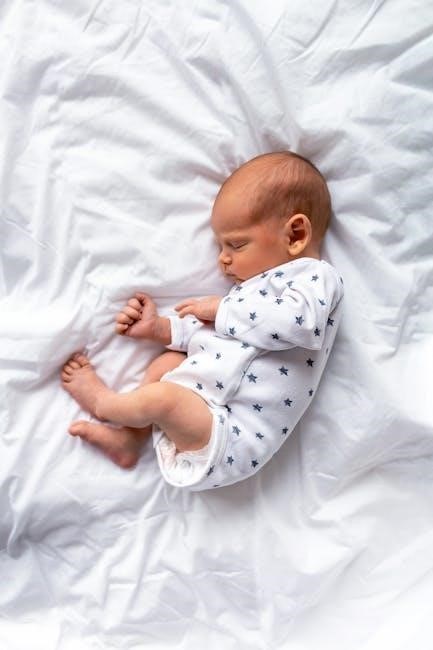
Cotton bodysuits and sleepsuits are ideal choices, as cotton is breathable and helps regulate temperature. Avoid overly warm or bulky materials like fleece or heavy sweaters. These can contribute to overheating, even with the sleeveless design of many sleeping bags.
Consider the room temperature; if it’s warmer within the 18-20°C range, a single bodysuit might be enough. For cooler temperatures around 16-18°C, add a lightweight sleepsuit over the bodysuit. Always check your baby’s chest and back to ensure they aren’t too hot or cold.
Cotton Bodysuits and Sleepsuits
Cotton bodysuits and sleepsuits are the cornerstone of comfortable layering under a 2.5 tog sleeping bag. Their breathability is key, allowing for air circulation and preventing overheating – a significant safety concern for babies. Opt for natural cotton fibers over synthetic materials whenever possible, as they are gentler on delicate skin.
Short-sleeved or long-sleeved bodysuits work well, depending on the room temperature. Pair these with lightweight cotton sleepsuits for added warmth when needed. Avoid garments with excessive embellishments or ties that could pose a safety hazard.
Ensure the clothing fits snugly but isn’t restrictive, allowing for free movement during sleep. Regularly check your baby’s temperature to adjust layers accordingly, maintaining a comfortable and safe sleep environment.
Avoiding Bulky Layers
Resist the urge to overdress your baby beneath a 2.5 tog sleeping bag. This tog rating provides substantial warmth, and adding bulky layers can quickly lead to overheating, increasing the risk of SIDS. Thick sweaters, heavy blankets, or multiple layers of clothing are generally unnecessary and potentially dangerous.
Focus on thin, breathable layers like cotton bodysuits and sleepsuits. Remember, a 2.5 tog bag is designed for room temperatures between 16-20°C (61-68°F), offering sufficient insulation.
Regularly check your baby’s chest or back of the neck to ensure they aren’t too warm or sweaty. Prioritize safety and comfort by keeping layering minimal and appropriate for the ambient temperature.